

- Autonomous vehicles and advanced driver-assistance systems (ADAS) are steadily progressing, with full self-driving capabilities moving closer to mainstream adoption despite regulatory and technical challenges.
- Electrification is accelerating globally, driven by improved battery technology, expanded charging infrastructure, and stricter emissions regulations.
- Connected cars, AI integration, and Vehicle-to-Everything (V2X) communication are transforming vehicles into intelligent, data-driven mobility platforms.
- Mobility as a Service (MaaS) and smart infrastructure are reshaping urban transportation by prioritizing shared, flexible, and efficient travel solutions.
- Cybersecurity, digital twins, and advanced software systems are becoming critical pillars of modern automotive innovation and long-term industry sustainability.
The automotive industry is undergoing a transformation unlike any we’ve seen before. As new technologies emerge, vehicles are becoming more intelligent, efficient, and connected. The question now is not just what’s the next big thing, but how will these technologies shape the future of how we move? From artificial intelligence in autonomous driving to electrification and smart infrastructure integration, mobility is rapidly evolving.
This article explores the most important automotive technology trends that are set to define the next decade, offering insights into how they will impact businesses, consumers, and society at large.
Understanding the Future of Mobility
The concept of mobility stretches beyond just cars and roads; it includes how people and goods move in an increasingly interconnected world. In the coming years, the automotive landscape will be shaped by digital innovation, sustainability goals, and evolving user expectations. Urbanization trends, combined with mounting environmental concerns, are accelerating the shift toward alternative transportation solutions. By understanding the elements driving these changes, we gain a clearer picture of how mobility is being reimagined for the 21st century.
What Is Driving the Shift in Automotive Innovation?
The automotive revolution is being driven by several key factors. First, consumer demand for safer and smarter vehicles has encouraged manufacturers to integrate advanced technologies like machine learning, sensors, and connectivity systems. Second, global policy initiatives focusing on carbon reduction are rapidly expanding the market for electric vehicles and alternative fuels.
Finally, digital transformation across industries has inspired automotive firms to rethink traditional business models, creating opportunities for new services like mobility-as-a-service (MaaS), autonomous ride-sharing, and seamless fleet operations.
Autonomous Vehicles: How Close Are We to Self-Driving Cars?
What Is the Current State of Autonomous Technology?
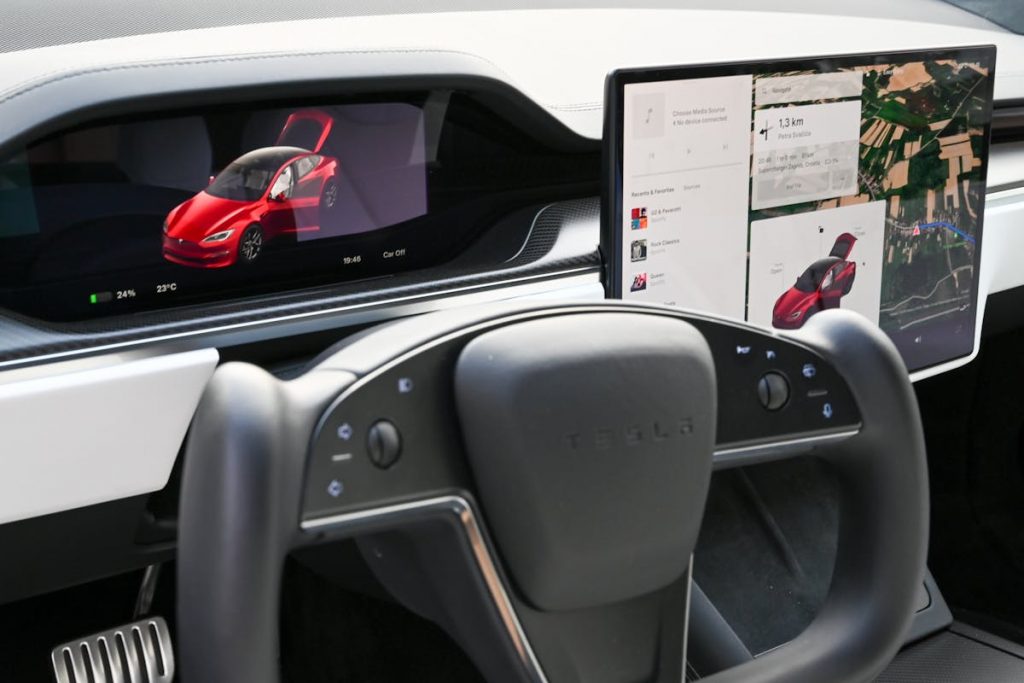
Autonomous driving isn’t a future concept—it’s already here in many forms. Today’s cars come equipped with advanced driver-assistance systems (ADAS) that can handle tasks such as adaptive cruise control, lane-keeping assistance, and automatic emergency braking. These systems lay the groundwork for higher levels of autonomy.
However, achieving full autonomy (Level 5, where no human intervention is required) remains a challenge due to technical, regulatory, and ethical hurdles. Companies like Waymo, Tesla, and major automakers continue investing billions to refine sensing technologies, improve safety, and ensure reliable performance in diverse environments.
Benefits and Challenges of Autonomous Vehicles
Benefits of Autonomous Vehicles
- Improved road safety through reduced human error
- Enhanced mobility for elderly and disabled individuals
- Increased traffic efficiency and lower congestion
- Reduced operational costs in logistics and ride-sharing
Challenges Facing Autonomous Mobility
- Complex regulatory frameworks across regions
- High costs of sensors and computing systems
- Public trust and ethical decision-making dilemmas
- Cybersecurity vulnerabilities in connected systems
Despite these challenges, most experts agree that autonomous vehicles will play a major role in future mobility ecosystems.
Electrification and the Rise of Electric Vehicles
Why Electrification Matters
Electrification is a cornerstone of the future of mobility. With global emissions targets tightening and consumer demand for eco-friendly alternatives rising, electric vehicles (EVs) have shifted from niche to mainstream. Governments worldwide are offering incentives to adopt EVs, and many automakers have pledged to phase out internal combustion engines (ICE) entirely in the coming decades.
Battery technology continues to improve in terms of energy density, cost, and charging speed. These advances are driving demand for consumer EVs while also reducing the barriers to broader adoption in commercial fleets and public transportation.
Key Trends in EV Technology
- Solid-state batteries: Promising higher performance and safety
- Wireless charging: Enabling effortless recharging without cables
- Vehicle-to-grid (V2G) systems: Allowing EVs to support energy grids
- Faster charging networks: Reducing range anxiety for drivers
With each innovation, EVs become more practical and appealing to a broad range of drivers, accelerating the move toward a low-carbon future.
Connected Cars and Digital Ecosystems
What Are Connected Cars?
Connected vehicles use internet connectivity and onboard diagnostics to exchange data with other devices and infrastructure. This connectivity expands well beyond navigation or entertainment—it includes real-time communication with cities, other vehicles, and traffic management systems.
Data from connected cars can enhance safety, optimize routing, and support predictive maintenance. These vehicles serve as mobile data hubs that participate in a larger digital ecosystem, contributing to smarter mobility at every level.
How Connectivity Improves Driving Experiences
Connected car benefits include:
- Real-time traffic and hazard alerts
- Remote software updates and feature enhancements
- Personalized in-car experiences based on driver preferences
- Enhanced fleet management through telematics
As more vehicles become integrated into digital networks, the positive effects on convenience, safety, and efficiency will only grow stronger.
Mobility as a Service (MaaS): Redefining How We Move
What Is Mobility as a Service?
Mobility as a Service (MaaS) refers to a digital platform that integrates various transportation services—ride-sharing, public transit, bike-sharing, and car rental—into a single accessible solution. Users can plan, book, and pay for multi-modal trips through one app, removing the need for personal vehicle ownership in many contexts.
With growing urban congestion and shifting attitudes toward car ownership, MaaS represents an alternative that emphasizes flexibility, sustainability, and cost-effectiveness.
The Impact of MaaS on Urban Transportation
The rise of MaaS is poised to significantly impact cities and commuters:
- Lower demand for on-street parking
- Reduced vehicle emissions through shared mobility
- Better utilization of infrastructure
- More equitable access to transportation options
As MaaS platforms mature, they are expected to become a central component of smart city initiatives around the world.
Smart Infrastructure: Roads That Think
What Is Smart Infrastructure?
Smart infrastructure uses sensors, communication networks, and data analytics to support real-time decision-making. Roads, bridges, traffic lights, and parking systems connected to these networks can optimize traffic flow, improve safety, and support autonomous vehicle operations.
Smart infrastructure transforms static roadways into interactive environments that respond dynamically to changing conditions.
Examples of Smart Infrastructure in Action
- Intelligent traffic signals that adapt to congestion
- Smart parking systems that guide vehicles to available spaces
- Roadside sensors that monitor weather and surface conditions
- Communication networks that relay data to vehicles for route optimization
By integrating infrastructure with vehicles and mobility services, cities become safer, less congested, and more efficient.
Artificial Intelligence in Automotive Technology
How AI Powers Modern Vehicles
Artificial intelligence (AI) is revolutionizing every aspect of automotive systems. From autonomous driving algorithms to personalized cabin experiences, AI enables vehicles to learn from data and make intelligent decisions.
Machine learning models help vehicles recognize objects, predict traffic patterns, and enhance navigation. AI also improves manufacturing processes, quality control, and predictive maintenance, making both vehicle production and operation smarter.
AI Use Cases in Automotive Technology
- Real-time hazard detection and avoidance
- Voice-activated user interfaces
- Personalized driver profiles and adaptive settings
- AI-powered diagnostics and repair recommendations
As AI capabilities advance, vehicles will become even more intuitive, efficient, and user-centric.
Vehicle-to-Everything (V2X): The Communication Revolution
What Is V2X Communication?
Vehicle-to-Everything (V2X) refers to a communication network that allows vehicles to share information with other vehicles (V2V), roadway infrastructure (V2I), pedestrians (V2P), and broader network systems (V2N). By creating this connected ecosystem, V2X facilitates the smooth exchange of critical data, enhancing road safety and traffic coordination.
This technology is essential for the development of autonomous vehicles and intelligent transportation systems, enabling cars to detect potential hazards early and respond proactively.
Why V2X Matters for Future Mobility
- Reduces collisions by providing early warning signals
- Improves traffic throughput and reduces congestion
- Enhances route planning with dynamic data
- Supports emergency response and public safety systems
In many regions, V2X technology is being piloted and prepared for large-scale deployment, signaling its importance in future mobility frameworks.
What Are Digital Twins in Automotive Development?
Understanding Digital Twin Technology
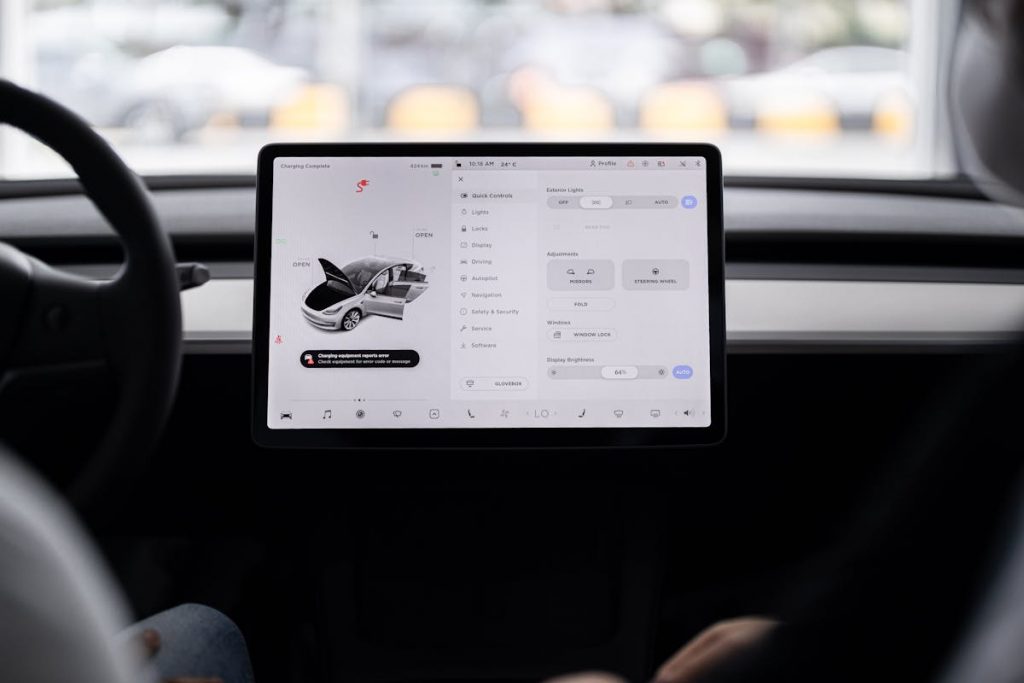
A digital twin is a virtual model that mirrors a real-world vehicle or system. By leveraging live data, it can replicate performance, forecast results, and improve design or operational efficiency. In the automotive field, digital twins allow engineers to evaluate new features and track vehicle performance over time. This approach streamlines development, cuts expenses, and boosts dependability by allowing simulations without the need for physical prototypes.
Benefits of Digital Twin Implementation
- Faster innovation through virtual simulation
- Improved performance monitoring and fault prediction
- Personalized calibration based on real-world conditions
- Enhanced manufacturing efficiency with real-time feedback
Digital twins empower automotive firms to innovate faster and build more resilient products.
Cybersecurity in the Era of Connected Vehicles
Why Cybersecurity Is Critical
As vehicles become more connected and autonomous, the risk of cyber attacks increases. Ensuring robust security is essential to protect user data, maintain vehicle integrity, and prevent malicious interference with critical systems.
Automakers and suppliers are now investing heavily in cybersecurity frameworks that address vulnerabilities across the entire vehicle ecosystem.
Key Cybersecurity Measures in Automotive Tech
- Encryption of communication channels
- Secure over-the-air (OTA) software updates
- Multi-factor authentication for connected services
- Real-time threat detection and response systems
Effective cybersecurity not only protects users but also builds trust in advanced automotive technologies.
How Will Future Automotive Jobs Be Affected?
The Workforce Transformation
The shift toward advanced automotive technologies is redefining job roles across the industry. Traditional manufacturing jobs are being supplemented or replaced by roles focused on software, data analytics, AI, and digital services. Professionals with expertise in electronics, cybersecurity, and machine learning are increasingly in demand.
At the same time, reskilling and upskilling programs are becoming crucial as the industry navigates this transition.
Opportunities and Challenges Ahead
Opportunities:
- Growth in software and systems engineering jobs
- Expansion of data science and analytics roles
- New careers in vehicle connectivity and cybersecurity
Challenges:
- Workforce displacement in traditional roles
- Need for continuous learning and adaptation
- Competition for highly skilled talent
Overall, the future of automotive jobs will lean toward high-tech disciplines that support the evolving mobility ecosystem.
What Role Will Regulations Play in Future Mobility?
Navigating Policy and Compliance
Regulatory frameworks will play a major role in shaping future mobility. Governments are setting stricter emissions standards, safety requirements, and data privacy regulations. These rules influence how automakers design, manufacture, and deploy new technologies.
Balancing innovation with public safety and environmental responsibility is critical for sustainable growth in the automotive sector.
Key Policy Trends to Watch
- Zero-emission vehicle mandates
- Autonomous vehicle safety protocols
- Data protection and digital service regulations
- Infrastructure development incentives
As policies evolve, automotive companies must adapt quickly to remain competitive and compliant.
How Will Consumer Expectations Change?
What Do Drivers Want in the Future?
Modern drivers expect more than just transportation; they want seamless experiences, safety, convenience, and personalization. Tomorrow’s customers will seek vehicles that adapt to their lifestyle, integrate with other devices, and support sustainable choices.
From digital interfaces to eco-friendly powertrains, consumer preferences will continue to influence innovation within the automotive industry.
Key Expectations for Future Mobility
- Personalized and connected experiences
- Greater transparency in pricing and services
- Enhanced safety and security features
- Flexible ownership and subscription models
Automakers that align their strategies with evolving customer expectations will be better positioned for long-term success.
Conclusion
The future of mobility is not a single destination but a continuous evolution shaped by technology, policy, and human needs. Emerging automotive technology trends—including autonomous driving, electrification, connectivity, and digital ecosystems—are redefining how we think about transportation. These changes offer exciting opportunities for innovation, sustainability, and improved quality of life. As the automotive landscape continues to evolve, embracing these trends will be key to staying ahead in a rapidly transforming world.