

- Safety features like ADAS, blind-spot monitoring, and high crash-test ratings remain top priorities for buyers.
- Infotainment and connectivity options, including touchscreens, smartphone integration, and in-car Wi-Fi, strongly influence purchasing decisions.
- Fuel efficiency and eco-friendly options, such as hybrid and electric vehicles, are increasingly important to modern consumers.
- Comfort and convenience features—heated/ventilated seats, keyless entry, and power-adjustable seats—enhance the overall driving experience.
- Advanced technology and driver assistance features, including adaptive headlights, parking assist, and AI voice control, are highly valued.
- Resale value and vehicle reliability significantly impact buyers’ long-term decision-making.
- Understanding automotive technology trends helps both buyers and manufacturers stay aligned with evolving market expectations.
Car buying has evolved significantly in recent years. Consumers today are more informed, tech-savvy, and selective when it comes to choosing a vehicle. From safety features to connectivity options, modern buyers carefully evaluate every aspect of a car before making a purchase. Understanding the top features buyers prioritize can help dealerships, manufacturers, and buyers themselves stay aligned with the latest car shopping trends.
This article explores the features that are currently shaping consumer preferences, supported by data and insights from recent studies in automotive technology trends.
Why Safety Remains a Top Priority for Buyers
- Safety has become a top priority for car buyers, with many placing greater emphasis on vehicles equipped with the latest protective technologies. Today’s cars are designed not just for comfort and performance but also to minimize risks and safeguard passengers in the event of an accident.
- Advanced Driver Assistance Systems (ADAS): Technologies such as lane-keeping alerts, adaptive cruise control, and automatic emergency braking are now commonly available. Drivers value these features because they help prevent accidents and make everyday driving more secure.
- Blind-Spot and Rear Cross-Traffic Alerts: These tools enhance situational awareness during lane changes and reversing, reducing the likelihood of collisions in congested traffic.
- Crash-Test Ratings: Many buyers consult independent safety scores to guide their purchasing decisions, highlighting the importance of proven vehicle protection in choosing a new car.
The growing emphasis on safety reflects a broader shift toward responsible driving and risk reduction, influencing buyers’ preferences across age groups.
Infotainment and Connectivity: The Digital Experience
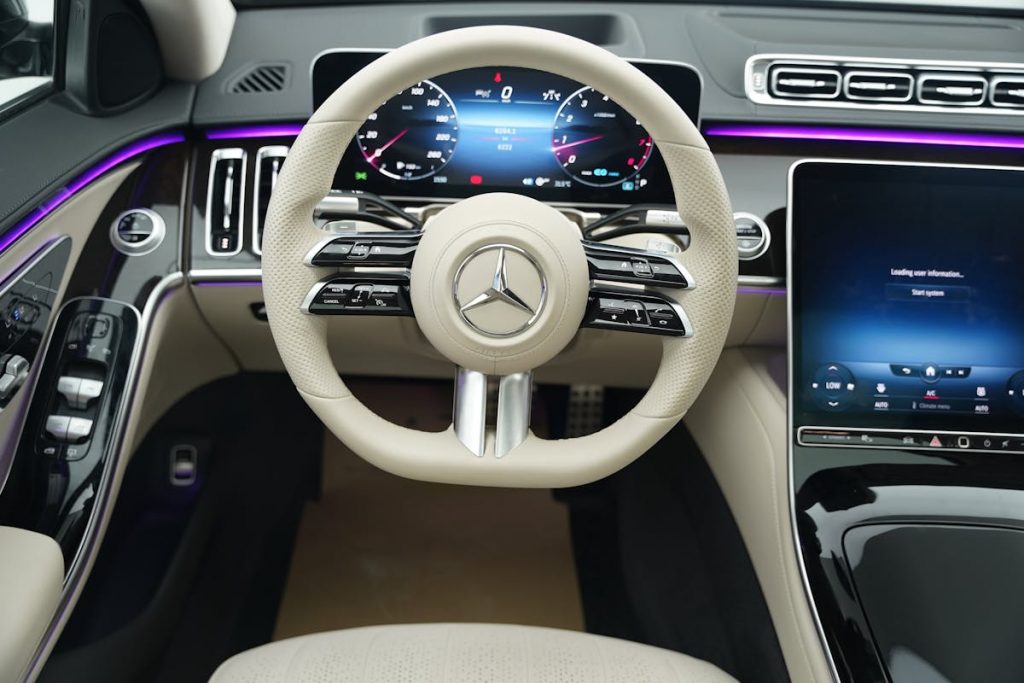
Today’s car buyers expect more than just transportation; they want an integrated digital experience. Infotainment systems and connectivity options have become essential features that can influence purchase decisions.
- Touchscreen Interfaces: Large, responsive touchscreens with intuitive controls are increasingly popular. Buyers appreciate interfaces that make navigation, media control, and settings adjustment straightforward.
- Smartphone Integration: Apple CarPlay, Android Auto, and wireless connectivity enable seamless access to apps, messages, and navigation. This integration has become almost a standard expectation for modern consumers.
- In-Car Wi-Fi and Streaming: Some buyers now prioritize vehicles that allow multiple devices to connect simultaneously, especially for families or frequent travelers.
With automotive technology trends advancing rapidly, infotainment and connectivity features have become key selling points, merging convenience, entertainment, and efficiency.
Fuel Efficiency and Eco-Friendly Features
Environmental concerns and fuel costs have made efficiency and eco-friendliness critical factors in car shopping. Buyers are increasingly looking for vehicles that reduce emissions without sacrificing performance.
- Hybrid and Electric Options: Hybrid and fully electric vehicles appeal to eco-conscious consumers, offering reduced carbon footprints and lower operating costs.
- Fuel Economy Ratings: Cars with higher miles-per-gallon (MPG) or energy-efficient ratings are highly attractive to budget-conscious buyers.
- Regenerative Braking and Eco Modes: These features help optimize energy use, further enhancing a vehicle’s efficiency and sustainability credentials.
As climate awareness grows, the demand for eco-friendly cars continues to influence manufacturers’ offerings and buyers’ decision-making processes.
Comfort and Convenience Features That Matter
Comfort is no longer limited to seat padding or cabin space. Today’s buyers expect thoughtful features that make every drive enjoyable and hassle-free.
- Heated and Ventilated Seats: These options are particularly popular in regions with extreme temperatures, adding to the overall driving comfort.
- Power-Adjustable and Memory Seats: Buyers appreciate seats that adjust automatically to individual preferences, especially in family or shared vehicles.
- Hands-Free Trunk Access and Keyless Entry: Convenience features like these save time and simplify everyday vehicle use.
Comfort features have become an essential part of the car shopping experience, influencing decisions across both luxury and mainstream segments.
Technology and Driver Assistance Features in Demand
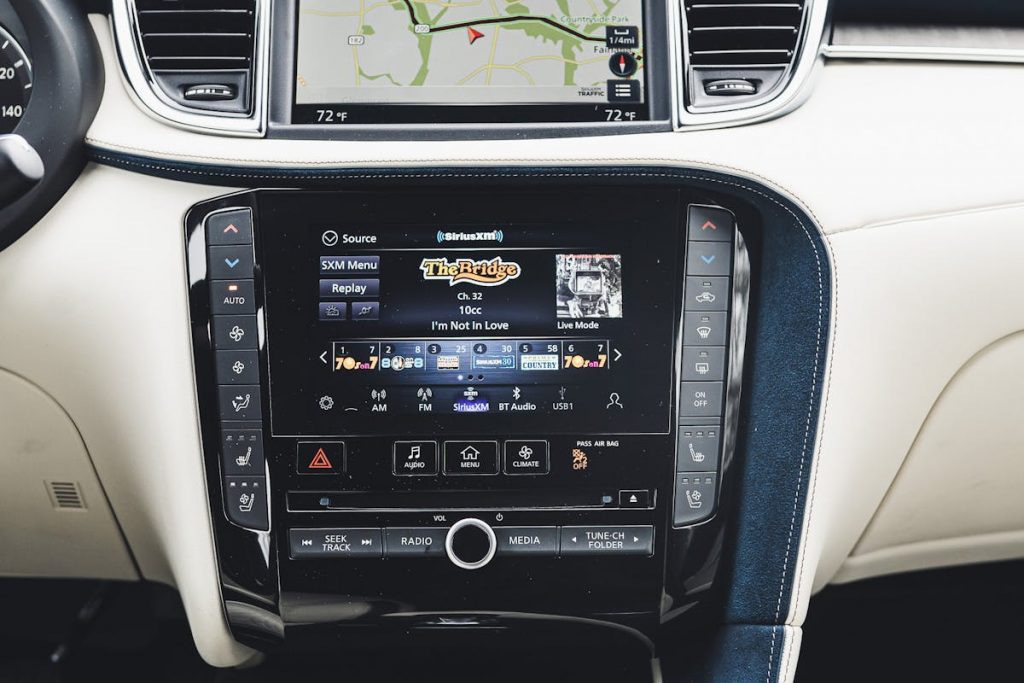
Modern buyers are increasingly influenced by automotive technology trends that improve both safety and convenience. Beyond traditional features, technology-driven enhancements are shaping expectations.
- Adaptive Headlights and Night Vision: Advanced lighting systems improve visibility in challenging conditions, enhancing both safety and confidence.
- Parking Assist and 360-Degree Cameras: Maneuvering in tight spaces is easier, making these systems particularly valuable in urban areas.
- Voice Control and AI Integration: Hands-free operation allows drivers to stay connected safely, reflecting the trend toward smart, interactive technology.
These features demonstrate how buyers are embracing innovation to make driving safer, more efficient, and more enjoyable.
How Resale Value and Reliability Influence Decisions
While tech and comfort are important, buyers also consider long-term value. Cars with strong resale value and proven reliability tend to attract more buyers.
- Brand Reputation and Reliability Ratings: Vehicles from manufacturers with consistent reliability records are often prioritized.
- Warranty and Maintenance Packages: Extended warranties and affordable maintenance plans provide peace of mind, influencing purchase decisions.
- Depreciation Trends: Buyers increasingly research depreciation rates to ensure their investment retains value over time.
Focusing on these practical aspects ensures that buyers are making smart choices that balance innovation with long-term financial considerations.
Conclusion
Car shopping trends reflect the evolving expectations of modern consumers. Buyers now prioritize safety, connectivity, fuel efficiency, comfort, and innovative technology features when selecting a vehicle. Understanding these preferences allows manufacturers to design vehicles that meet contemporary demands, while helping buyers make informed decisions. As automotive technology trends continue to advance, staying aware of the features buyers value most will remain essential for anyone in the car market.