

An unexpected car accident can disrupt a person’s life in a matter of seconds. The immediate aftermath of a collision is often a blur of flashing lights, adrenaline, and overwhelming confusion. Drivers frequently find themselves standing on the side of the road, staring at a damaged vehicle, and wondering what steps to take next. While the initial shock can make it difficult to think clearly, having a structured plan turns a chaotic situation into a manageable process. For most people, a car is not just a piece of metal; it is an essential tool that connects them to their livelihood, their families, and their daily commitments.
Recovering from an accident involves much more than just fixing a dented bumper or filling out a basic claim form. It requires a systematic approach that addresses personal safety, legal protection, financial stability, and comprehensive mechanical restoration. When a vehicle undergoes a severe impact, the damage is rarely just skin-deep. Hidden structural issues, misaligned components, and internal mechanical strain can all compromise the future safety of the vehicle if they are not properly identified and resolved.
This comprehensive guide serves as a practical blueprint for drivers navigating the complex path from the scene of a crash back to the open highway. By understanding each phase of the recovery process, vehicle owners can make informed decisions, protect their investment, and ensure that their automobile is truly safe to drive once again. Taking things one step at a time allows individuals to regain control, minimize stress, and successfully restore both their daily routine and their peace of mind on the road ahead.
Securing the Scene and Initiating Vehicle Transport
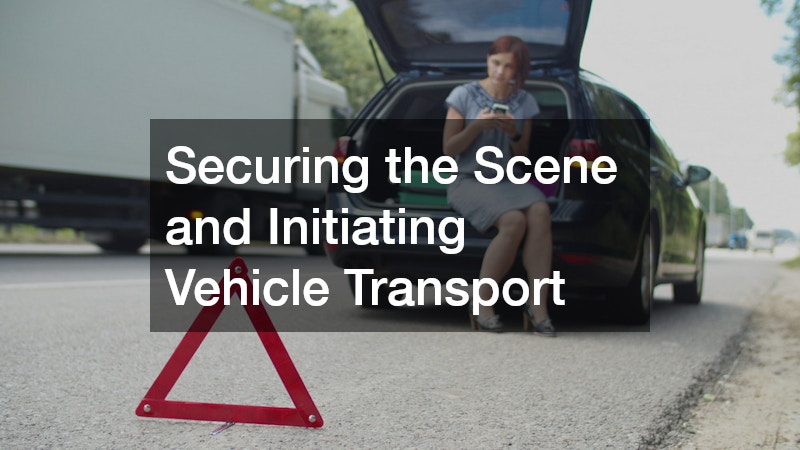
The absolute first priority following any roadway incident is safety. Drivers must check themselves and their passengers for injuries before assessing the condition of the automobiles involved. If the vehicles are operational and causing a hazard in active traffic lanes, they should be carefully moved to the shoulder of the road. Once the individuals are in a secure location, turning on the hazard lights and setting up emergency flares or reflectors will alert oncoming traffic to the danger ahead. Calling emergency services ensures that medical personnel and law enforcement arrive quickly to document the scene and manage traffic flow.
While waiting for the authorities to arrive, collecting accurate documentation becomes paramount. This involves taking clear photographs of the vehicles from multiple angles, capturing the positions of the cars relative to the roadway, and noting any visible damage. It is also essential to exchange contact and registration details with the other drivers involved, as well as collect statements from any eyewitnesses who stopped to help. These details form the factual foundation for everything that follows in the recovery process.
Once the police finish their initial report, the logistical challenge of moving a disabled vehicle must be addressed. A heavily damaged automobile cannot and should not be driven away from the scene, even if it appears to turn on. Unknown fluid leaks, broken suspension pieces, or compromised tires can cause immediate failures on the road. At this juncture, contacting a reliable towing service is the safest and most efficient way to clear the scene and transport the vehicle to a secure holding facility or a designated repair facility. Professional operators possess the specialized equipment necessary to lift and transport a vehicle without causing additional secondary damage to the frame or drivetrain.
Navigating the Administrative and Legal Landscape

With the vehicle safely transported away from the scene, the focus shifts toward administrative and legal responsibilities. The paperwork and communication handled in the days immediately following an accident play a massive role in how smoothly the financial recovery will progress. The first call should generally be to the driver’s auto insurance provider to report the incident and initiate the claims process. Providing the representative with the police report number, photos from the scene, and the contact details of the other parties helps accelerate the initial investigation. Timely reporting is crucial, as many policies have strict deadlines for filing claims after an incident occurs.
Insurance adjusters will evaluate the damage to determine the financial scope of the repairs or decide if the vehicle is a total loss. However, dealing with insurance companies can sometimes become complicated, particularly when disputes arise over who was at fault or what the true cost of repairs should be. If the accident resulted in significant injuries, complex liability questions, or pushback from insurance adjusters, consulting with an experienced auto accident attorney can protect a driver’s legal and financial interests. A legal professional can handle communications with insurance companies, gather additional evidence, and ensure that the injured party receives fair compensation for medical bills, lost wages, and property damage.
Maintaining meticulous records throughout this phase is highly beneficial. Drivers should keep copies of all emails, claim forms, medical reports, and repair estimates in a dedicated folder. This organized approach prevents important details from slipping through the cracks and provides solid documentation if any aspect of the claim is contested. Clear communication and thorough documentation form the backbone of a successful administrative recovery.
Maintaining Continuity and Managing Daily Mobility
While a personal vehicle is sidelined for assessments and repairs, everyday life does not pause. Commutes to work, school pickups, grocery shopping, and medical appointments still require dependable transportation. For many individuals, losing access to their primary mode of transport is one of the most stressful aspects of an accident. Fortunately, there are several ways to bridge this mobility gap and minimize disruptions to a busy household schedule, allowing the family to maintain a sense of normalcy during a stressful time.
Many drivers discover that their insurance policies include specific provisions designed to assist with temporary transportation needs. Reviewing the policy details or speaking directly with a claims representative will clarify whether the expenses for a temporary substitute vehicle are covered. If this coverage is active, organizing a temporary rental car allows the driver to maintain their normal daily routine without bearing the full out-of-pocket financial burden. Utilizing this option ensures that families can continue to commute safely while their primary automobile undergoes comprehensive inspections and repairs.
When coordinating temporary transportation, it is wise to choose a vehicle that closely matches the driver’s normal needs. For instance, a parent who regularly transports multiple children might require an SUV or a minivan, whereas a solo commuter might prefer a compact, fuel-efficient sedan. Ensuring that daily mobility is secured allows the vehicle owner to focus their attention on the technical side of the recovery process without feeling rushed to accept subpar repairs just to get their own car back sooner. Having a reliable set of wheels keeps life moving forward smoothly while professionals handle the heavy lifting.
Addressing Structural Integrity and Cosmetic Restoration
Once the administrative details are in motion, the physical restoration of the vehicle begins in earnest. The first major phase of physical repair focuses on the exterior structure and the cosmetic appearance of the automobile. Structural integrity is vital because modern vehicles are engineered with specific crumple zones designed to absorb impact energy and protect the occupants inside the cabin. If these structural elements are bent or weakened, the vehicle will not perform correctly in a future collision.
To properly diagnose and mend these issues, the vehicle should be evaluated by specialists at a dedicated auto body center. These facilities feature advanced diagnostic machinery, such as computerized frame-alignment systems, that can detect microscopic shifts in the vehicle’s structural framework. Technicians utilize these precise measurements to pull and straighten the frame back to the exact factory specifications established by the manufacturer. Skipping this step can lead to doors that do not close properly, cabin leaks, and compromised safety.
Beyond structural alignment, comprehensive collision repair encompasses fixing dented panels, replacing shattered glass, and restoring the vehicle’s exterior finish. Specialized technicians carefully remove damaged components, such as fenders, hoods, or door skins, and replace them with high-quality original equipment manufacturer parts. Once the structural components are secure and the panels are properly fitted, the vehicle moves to the painting phase. Utilizing computerized color-matching technology ensures that the new paint blends seamlessly with the original finish, making the vehicle look as though the accident never occurred.
Restoring the Mechanical Heart of the Vehicle
While exterior repairs restore the appearance and structural safety of a vehicle, the mechanical systems require equal attention. The force of a vehicular impact can travel deep into the mechanical core, damaging components that are not visible from a simple exterior inspection. Fluid lines can crack, electrical wiring harnesses can tear, and sensitive electronic sensors can fail due to sudden deceleration forces.
To ensure the mechanical reliability of the vehicle, it must be thoroughly inspected at a qualified auto repair shop. Experienced mechanics will perform comprehensive diagnostic scans to read any fault codes stored in the vehicle’s onboard computer systems. They will also pressure-test the cooling system, inspect the radiator for leaks, and evaluate the air conditioning and power steering systems, which are frequently located in the primary impact zones at the front of the vehicle. Identifying these internal issues early prevents catastrophic mechanical failures down the line.
In more severe front-end collisions, the impact may directly affect the powertrain components, necessitating specialized car engine repair. The engine block, motor mounts, timing belts, and internal internal-combustion components can suffer significant stress during an accident. Even a minor crack in an engine bracket or a displaced fluid line can cause severe engine overheating or permanent mechanical damage if left unaddressed. Skilled technicians must carefully disassemble, inspect, and rebuild or replace damaged engine components to restore the vehicle’s original performance, fuel efficiency, and reliability.
Final Safety Calibrations and Road Readiness
Before a vehicle can be safely driven back onto the highway, the final phase of the recovery blueprint must focus on the critical systems that control stopping, handling, and stability. An automobile might look perfect on the outside and run smoothly under the hood, but if its safety systems are out of calibration, it remains a hazard to the driver and everyone else on the road. The final checks act as the ultimate quality assurance process.
The braking system is the most critical safety feature on any vehicle, and it can easily be compromised during a collision. Corroded lines, warped rotors, or damaged calipers can significantly increase stopping distances or cause the vehicle to pull to one side during hard braking. Taking the vehicle to a trusted specialist for local brake repair ensures that every component of the stopping mechanism is meticulously inspected, tested, and replaced if necessary. Fresh brake fluid, new pads, and perfectly machined rotors guarantee that the vehicle will stop reliably in any driving situation.
The final element of the mechanical blueprint involves checking the suspension and steering systems. The extreme forces of an accident frequently bend control arms, damage tie rods, and throw the steering geometry completely out of balance. A professional auto alignment corrects these deviations by adjusting the angles of the wheels so that they are perfectly parallel to each other and perpendicular to the road surface. Proper wheel alignment prevents uneven tire wear, eliminates steering wheel vibrations, and ensures that the vehicle tracks straight and true down the highway.
Returning to the Open Road with Complete Confidence
Navigating the aftermath of a car accident is stressful and undeniably challenging, but following a structured recovery blueprint transforms the journey from an overwhelming ordeal into a successful restoration. From the initial moment the vehicle is towed from the scene to the final turning of a wrench on the suspension system, every single step plays an integral role in ensuring total safety and vehicle longevity.
By cooperating with the right legal, financial, and mechanical professionals, vehicle owners can confidently overcome the hurdles of a collision. When the structural, mechanical, and safety systems are systematically restored to factory standards, the driver can turn the key, step on the gas, and rejoin the highway with complete peace of mind. Taking the time to do things correctly guarantees that the vehicle remains a safe, dependable asset for many years to come.