

Introduction: Keeping Vehicles and Equipment Safe and Functional
Vehicles of all types—ranging from everyday cars and trucks to recreational trailers and heavy farm machinery—play an essential role in modern life. Whether commuting to work, transporting goods, enjoying recreational adventures, or running agricultural operations, these machines are crucial for mobility and productivity. However, each comes with responsibilities. Regular maintenance, prompt repair, and attention to accidents are vital for ensuring safety, reliability, and longevity. Neglecting these responsibilities can quickly lead to costly breakdowns, compromised safety, and unnecessary stress.
Accidents and unexpected malfunctions are another reality that vehicle owners face. Even a minor collision can have cascading consequences, affecting mechanical integrity, cosmetic appearance, insurance claims, and personal health. Without proactive measures, these incidents can lead to downtime, increased repair costs, and confusion when coordinating with service providers. The stakes are particularly high for specialized vehicles such as farm equipment, Airstream trailers, and boats, where repairs require expertise and genuine parts to maintain performance and resale value.
Proper planning bridges the gap between safety, performance, and financial protection. Addressing repairs promptly, maintaining regular service routines, and understanding professional support options—including chiropractors for accident-related injuries—reduce risks and improve outcomes. Cleaning and upkeep, from auto washes to driveway care, preserve aesthetics and prevent long-term damage, while preventive maintenance extends equipment life and minimizes operational disruptions.
This guide is designed to provide a practical roadmap for vehicle and equipment owners. Each section offers actionable advice for accident response, routine maintenance, specialized repair, and ongoing care. By following these strategies, drivers, recreational vehicle owners, and operators of farm equipment can minimize downtime, protect their investments, and maintain personal safety. Whether dealing with minor fender benders or complex repairs, the goal is to equip readers with knowledge and confidence to act decisively in any scenario.
1. Addressing Accidents and Minor Damage Promptly

Accidents—whether small collisions in a parking lot or minor roadway fender benders—can escalate if not addressed quickly. Immediate attention prevents hidden damage from worsening, reduces repair costs, and maintains safety. Even cosmetic issues such as minor dents or scratches can lead to rust, alignment problems, or diminished resale value if ignored.
Paintless dent removal is an increasingly popular solution for minor body damage. Unlike traditional auto bodywork, this method avoids repainting, preserving the original finish while offering cost savings and faster turnaround times. It’s particularly effective for dents caused by hail, parking lot mishaps, or low-speed impacts.
When choosing an auto repair provider, consider the following: certifications and training in repair techniques, customer reviews and testimonials, and experience with your vehicle type or model. Verified providers ensure proper handling of both cosmetic and structural damage, reducing the risk of complications later.
Documentation is another critical step. Take clear, high-resolution photos of all damage from multiple angles, record any unusual noises or performance issues, and retain any police or insurance documentation. This record serves as a reference for insurance claims and future maintenance decisions.
Finally, consider prioritizing repairs based on safety impact. Issues affecting steering, suspension, or lighting should take precedence over purely cosmetic concerns. Coordinating repairs with insurance adjusters early avoids delays and ensures coverage aligns with repair plans. Proactive action in addressing minor damage not only protects vehicle integrity but also simplifies the recovery process for both finances and convenience.
2. Supporting Recovery and Physical Well-Being After Collisions
Even minor collisions can have hidden physical effects. Whiplash, soft tissue injuries, and musculoskeletal strain often go unnoticed immediately after an accident, yet they can lead to long-term complications if untreated. Seeking professional evaluation ensures injuries are identified and addressed early.
Local auto accident chiropractors specialize in post-collision care. These professionals focus on spinal alignment, joint mobility, and soft tissue recovery, helping patients restore proper function while reducing pain and discomfort. Working with a chiropractor experienced in vehicle accidents ensures that care is tailored to the unique stresses of collisions.
When evaluating chiropractors, look for certifications in accident-related rehabilitation, positive patient reviews, and experience with vehicles similar to your own use case (e.g., commercial trucks vs. passenger vehicles). Scheduling follow-ups in coordination with repair timelines allows you to maintain mobility, safely resume driving, and attend necessary appointments without conflicts.
Proactive chiropractic care offers multiple benefits. It speeds recovery, prevents chronic pain, and reduces the risk of compensatory injuries caused by altered posture or movement patterns. Integrating physical care into post-accident planning complements mechanical repair and insurance documentation, ensuring a holistic approach to both personal safety and vehicle restoration.
3. Maintaining Vehicle Cleanliness and Protection
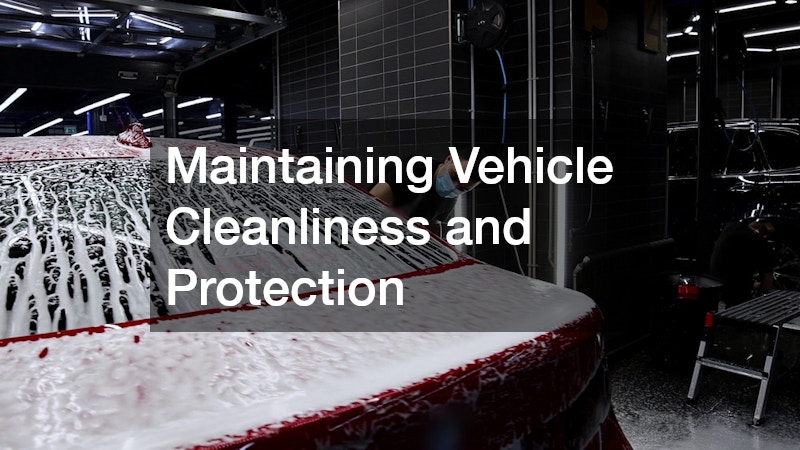
Routine vehicle cleaning is more than cosmetic—it protects surfaces, prolongs lifespan, and prevents long-term corrosion. Professional auto car washes offer advanced cleaning techniques, protective wax applications, and undercarriage treatments that homeowners may struggle to replicate. Regular washing removes road salts, debris, and environmental contaminants that can degrade paint and metal surfaces.
Home infrastructure plays a role as well. Asphalt driveways, for instance, require proper maintenance to avoid cracks, staining, and deterioration from vehicle fluids or heavy equipment. Sealing driveways periodically and cleaning spills promptly helps prevent structural damage and costly repairs.
Seasonal care is also essential. Winter months introduce road salts that accelerate corrosion, while summer sun can fade finishes and damage tires. Protective coatings, careful washing, and shaded storage can significantly extend vehicle longevity.
Maintaining cleanliness and care is closely tied to resale value. Vehicles that are well-kept and free from rust or visible damage fetch higher prices, while regular cleaning ensures that underlying issues are detected early. Combining professional washes with preventive care of surfaces like driveways ensures that both vehicles and home infrastructure remain in top condition.
4. Managing Vehicle Breakdowns and Emergencies
Breakdowns happen unexpectedly, often at inconvenient times or in unsafe locations. Having access to a reliable tow truck service is essential to mitigate further damage and ensure personal safety. Evaluate providers based on response times, certifications, equipment quality, and transparent pricing. Fast, professional service minimizes stress and prevents compounding issues.
Using quality used truck parts can be a cost-effective solution for repairs after a breakdown. These parts, when sourced from reputable suppliers, maintain performance standards while reducing costs. Whether replacing an engine component, suspension part, or drivetrain element, verify compatibility and condition to ensure safety and reliability.
Coordination is key after a tow. Communicate clearly with repair shops to schedule assessments, align parts delivery, and minimize vehicle downtime. While waiting for assistance, implement safety measures: turn on hazard lights, stay clear of traffic, and keep passengers away from danger zones. Having a plan and trusted contacts ready can significantly reduce anxiety during breakdowns and expedite vehicle restoration.
5. Specialized Repairs for Recreational and Travel Vehicles
Recreational vehicles, including Airstream trailers and boats, require specialized attention. Unlike standard automobiles, these vehicles have unique systems that, if neglected, can compromise safety and usability. For Airstreams, this may include roofing integrity, appliances, chassis inspections, and towing components. Timely repairs prevent damage from weather exposure or mechanical failure during travel.
Boat lifts also demand regular maintenance. Proper lubrication, corrosion control, and safety checks ensure that vessels remain secure and accessible. Overlooked maintenance can lead to costly repairs or unsafe conditions when lifting and docking boats.
Timing repairs strategically is important. Off-season maintenance allows for scheduling with certified specialists without interruption to recreational plans, while addressing issues early prevents compounded damage. Coordination with professionals familiar with the specific brand or system ensures that repairs maintain both safety and value. Investing in specialized care protects assets, prolongs life, and ensures enjoyable use.
6. Caring for Agricultural Vehicles and Machinery
Farm equipment, including tractors, harvesters, and utility vehicles, faces heavy use and environmental stress. Regular care is critical to prevent downtime during peak operational periods. Maintenance protocols include lubrication, hydraulic system inspections, tire checks, and proper storage to prevent rust or damage.
When replacement parts are needed, quality matters. Both new and used truck parts can be effective if sourced from reliable providers. Using appropriate components ensures machinery operates safely and efficiently, reducing the risk of mechanical failure.
Coordination with local service providers is essential for seasonal demands, especially during planting or harvesting. Proper scheduling ensures machinery is ready when needed, avoiding delays in critical operations. Safety is paramount—operators should follow training protocols, use protective equipment, and implement preventive measures to minimize accidents. Consistent maintenance and attention to parts extend lifespan, maintain efficiency, and safeguard operators.
7. Prioritizing Preventive Maintenance
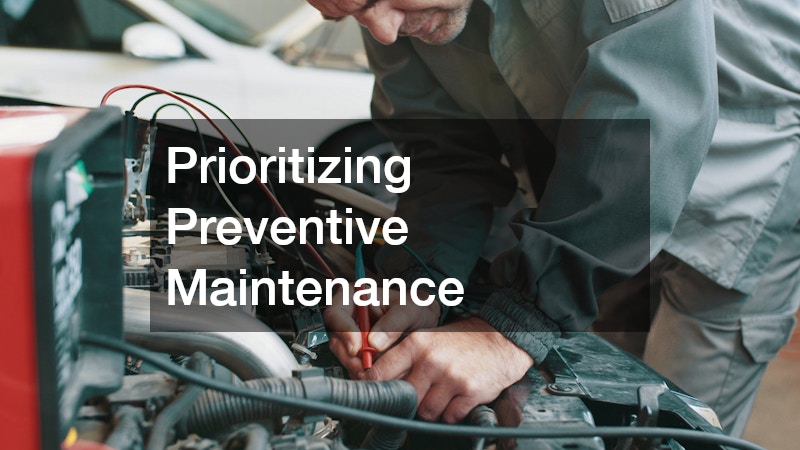
Preventive maintenance saves money and prevents unexpected failures. Scheduling regular inspections for brakes, suspension, engines, and other critical systems ensures vehicles operate reliably. Preventive checks reduce the likelihood of costly repairs and accidents.
Vehicle operators can also benefit from monitoring personal well-being. For example, periodic evaluations with local auto accident chiropractors may help detect strain or injury risks associated with heavy equipment operation. Tracking both machine and operator health enhances long-term safety.
Documenting maintenance and health checks provides a clear record for resale, warranty, or insurance purposes. Keeping logs of services, repairs, and inspections helps identify patterns of wear and address minor issues before they escalate. Early intervention extends vehicle life, enhances safety, and ensures consistent operational performance.
8. Enhancing Performance and Comfort
Post-repair periods are ideal for cosmetic or comfort upgrades. Professional auto car washes with detailing services enhance vehicle appearance while protecting surfaces. Interior upgrades, such as upholstery cleaning or protective treatments, contribute to occupant comfort and long-term value.
For recreational vehicles, minor improvements during Airstream repairs—like updating fixtures, cushions, or appliances—can prevent wear and enhance usability. Scheduling cosmetic or comfort upgrades alongside essential repairs reduces downtime and overall cost.
Integrating these upgrades strategically improves vehicle satisfaction, prevents unnecessary wear, and maintains functionality. Both appearance and performance enhancements contribute to value preservation and daily usability.
9. Coordinating Multiple Services for Efficiency
Handling multiple service providers after an accident or routine maintenance requires organization. Towing, cosmetic repairs, and major mechanical services must be prioritized based on safety, urgency, and cost.
Effective communication is essential. Share clear instructions and timelines with repair shops, tow services, and cosmetic specialists to avoid duplication or delays. Maintain detailed records of work performed, parts replaced, and costs incurred. This documentation supports insurance claims, warranty coverage, and resale.
Coordinated service ensures that vehicles are restored safely, efficiently, and with minimum disruption to daily life. By managing multiple providers strategically, owners can optimize recovery and maintain peace of mind.
Conclusion: Maintaining Safety, Value, and Peace of Mind
From fender benders to complex farm machinery maintenance, proactive care is the key to safeguarding vehicles, equipment, and operator well-being. Integrating timely repairs, preventive maintenance, cleaning, and specialized services ensures machines remain safe, reliable, and valuable.
Organization, documentation, and strategic planning reduce stress and simplify recovery. By engaging qualified professionals—repair specialists, chiropractors, and towing services—owners ensure that every aspect of vehicle care is addressed comprehensively. Scheduling preventive checks, addressing minor issues promptly, and coordinating services enhances longevity and performance.
Ultimately, proactive care transforms vehicle and equipment management from reactive crisis handling into an efficient, controlled process. Whether managing cars, trucks, recreational trailers, or farm equipment, thoughtful attention to repairs, maintenance, and operator safety preserves functionality, reduces risk, and provides long-term peace of mind. By implementing these strategies, readers can confidently navigate both everyday use and unexpected incidents, ensuring safety, performance, and value across all types of vehicles.
Beyond any immediate repairs and maintenance that you might need on your vehicle, proactive care also fosters financial and operational resilience. Well-maintained vehicles and equipment experience fewer unexpected failures, reducing costly downtime and emergency expenses. Preventive attention helps preserve resale value, keeping investments secure over time. Additionally, integrating operator well-being into routine planning—such as ergonomic checks, accident rehabilitation, or safety training—ensures that human factors are as protected as mechanical ones. Maintaining open communication with service providers, keeping thorough records, and reviewing schedules seasonally reinforces consistency and preparedness. By treating vehicle and equipment care as an ongoing, organized practice rather than a reactive task, owners create a sustainable system that balances performance, safety, and cost-effectiveness. In the end, this comprehensive approach empowers owners to operate confidently, protect their assets, and enjoy the full benefits of safe, reliable, and efficient transportation and machinery.