

If you own a heavy-duty pickup truck, you possess a valuable asset that is capable of generating significant income. Many people purchase trucks for personal reasons, only to find that the vehicle is rarely utilized to its full capacity outside of occasional trips to the home improvement store or weekend recreational activities. However, the robust capabilities of a modern truck—namely its payload capacity, towing power, and ability to traverse rough terrain—make it an essential piece of equipment in numerous demanding industries. Recognizing this potential opens the door to various entrepreneurial and freelance opportunities where your vehicle is not just a mode of transport, but a core tool of the trade. Thinking beyond traditional delivery services and focusing on specialized transportation needs can transform your truck from an expense into a powerful, revenue-generating machine.
This is particularly true in the contracting and construction world, where the logistics of moving materials, tools, and heavy equipment are a constant challenge. Small-to-midsize businesses often lack the resources for a dedicated fleet of large commercial vehicles, creating a niche for dependable truck owners to fill. By offering reliable transportation and hauling services, you can integrate yourself into the supply chain of various high-demand sectors, providing a crucial service that saves companies time and money. The sheer utility of a personal truck—its relatively low operating cost compared to a dump truck and its ease of maneuverability in tight job sites—positions it perfectly for these specialized tasks, making it a foundation for several rewarding and profitable ventures.
Transporting Materials as a Commercial Building Contractor

The backbone of any major construction project is the timely and efficient delivery of raw materials and supplies, a logistical need that relies heavily on capable vehicles. As materials are acquired from various suppliers—lumber yards, drywall distributors, and hardware stores—a reliable pickup truck is constantly needed to shuttle these goods to the project site, ensuring that highly-paid skilled tradespeople never experience downtime waiting for necessary items. This role is fundamental to maintaining project schedules and budget control, requiring someone with a dependable truck who can handle diverse loads, from sheets of plywood and stacks of insulation to pallets of roofing materials or boxes of specialized fasteners. It is an essential support function that keeps the entire construction machine moving forward smoothly, minimizing delays that can rapidly escalate costs on a large-scale job.
For someone looking to operate in this niche, offering support to a commercial building contractor involves more than simply dropping off goods; it requires an understanding of job site logistics and the ability to safely load, secure, and unload materials often weighing thousands of pounds. Trucks are frequently used to move large quantities of bulk materials, such as mortar or sand, or specialty items like custom window frames and non-standard plumbing fixtures that may not fit easily into a standard delivery van. This specific service, often billed by the hour or per delivery, becomes indispensable for any busy commercial building contractor focused on supervising the skilled labor rather than worrying about the movement of basic supplies, effectively outsourcing a critical yet time-consuming task to a specialized hauler.
Clearing Debris as Demolition Contractors
Following the systematic deconstruction of a structure, job sites are left with an immense volume of heterogeneous waste, which must be rapidly and safely removed to prepare the area for new construction. Demolition projects generate materials that range from manageable loads of scrap wood and metal to heavy, jagged pieces of concrete and masonry, all of which require specialized handling and removal equipment. A robust pickup truck, especially one equipped with heavy-duty springs and a large bed or the capacity to tow a sizeable dump trailer, is perfectly suited to this initial phase of site cleanup. This critical post-demolition service prevents the accumulation of hazardous debris and is a necessary step before excavation or foundation work can begin.
Partnering with demolition contractors involves dedicating your truck to the relentless task of moving this construction and demolition waste, often making multiple trips per day to an approved landfill, recycling center, or processing facility. The specifics of the hauling task can be highly demanding, as debris often contains sharp objects and requires careful loading to maximize volume while maintaining safety and road legality. You provide an agile and economical alternative to full-sized dump trucks for smaller or more restricted demolition jobs, where the maneuverability of a pickup is a distinct advantage. For demolition contractors, having a reliable hauler on call ensures that the worksite remains compliant with safety regulations and that the site is cleared swiftly for the next phase of development.
Moving Structural Components as a Steel Building Contractor

Erecting a prefabricated steel structure, whether it is a warehouse, a barn, or a commercial office space, involves coordinating the delivery of large, uniquely shaped structural components, which is a key logistical challenge. These elements, which include primary rigid frames, girts, purlins, and various sheeting materials, are often cumbersome and too long or heavy for standard shipping methods and require specialized transportation capable of navigating diverse routes, from highways to unfinished job sites. A truck’s open bed and towing capabilities are perfectly suited for transporting these materials, which require secure tying down and careful handling to prevent damage before assembly. The reliable transport of these core pieces is crucial because any delay in component delivery directly halts the high-speed assembly process characteristic of pre-engineered steel buildings.
The work supporting a steel building contractor often involves short-haul logistics, moving specific bundles of components from a staging area or a nearby supplier directly to the erection site as they are needed for construction. This might mean hauling long I-beams, bundles of metal siding panels, or specialized connection hardware. The specific nature of this task requires a driver who is adept at securing oddly shaped loads and who understands the necessity of delivering the components in the correct sequence to facilitate the construction crew’s workflow. Furthermore, a heavy-duty truck is also useful for moving essential erection tools and small pieces of specialized lifting equipment, acting as a flexible utility vehicle that supports the entire steel building contractor operation.
Hauling Dirt and Rock as an Excavation Contractor
The initial stages of any construction or land development project invariably involve significant earth-moving activities, generating vast quantities of soil, rock, and other earthen materials that need to be relocated, either to an on-site storage area or an off-site disposal facility. Excavation contractors rely on a steady flow of hauling vehicles to efficiently manage the spoils generated by digging foundations, trenches, and grading operations. While large dump trucks handle massive volumes, the pickup truck, particularly one capable of pulling a large tandem-axle trailer, provides essential flexibility for smaller jobs, tight access sites, and the rapid removal of material when larger vehicles are not cost-effective or practical.
Partnering with an excavation contractor means being on the front lines of site preparation, often dealing with the messy and heavy reality of raw earth and stone. The loads can be extremely dense and challenging to manage, requiring a robust vehicle that can withstand the strain of heavy towing on unpaved or muddy ground. Specific services can include hauling away excess fill dirt to maintain grade, moving loads of specialized gravel or crushed rock needed for the sub-base, or transporting smaller pieces of specialized excavation equipment, such as trench compactors or light-duty skid steers. This hauling support is crucial for maintaining the productivity of the larger excavating machinery, ensuring that the backhoes and excavators can continue digging without being held up by a lack of capacity to clear the spoils.
Moving Logs and Equipment as a Local Logging Contractor
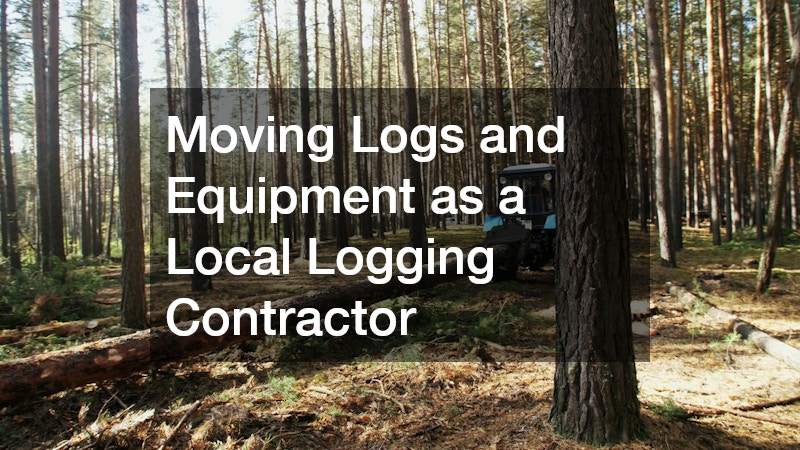
In areas where timber harvesting or land clearing is active, a robust truck is a foundational tool for a local logging contractor, providing both transportation for the crew and essential hauling capabilities for smaller-scale logging operations. While specialized semi-trucks handle the bulk transport of processed logs, a heavy-duty pickup is indispensable for moving smaller, manageable quantities of timber, particularly high-value specialty wood or logs cut from residential or smaller commercial tracts. Its ability to navigate dense forest roads and unimproved trails gives it access where larger, less nimble trucks cannot go, making it critical for specific parts of the harvest process or cleanup operations.
Specifically, the truck is frequently used to transport specialized tools and smaller machinery required for the logging job, such as chain saws, portable winches, fuel tanks, and safety gear, often over challenging terrain. Furthermore, a local logging contractor utilizes a sturdy pickup for supervising the operation, making quick trips between remote logging sites and the mill or staging area. It is also often used to pull utility trailers loaded with wood residue, such as cut-offs and brush, or to transport employees safely and reliably to and from the worksite. This versatility makes the truck an integral and constant resource, far more than just a personal vehicle in the context of commercial forestry.
Delivering Concrete and Forms as a Concrete Contractor
The process of pouring and setting concrete, which forms the foundations, slabs, and structural elements of countless buildings, relies on precise logistical support for the movement of critical materials and preparatory structures. While the concrete itself is often delivered by large mixer trucks, a standard pickup truck plays an essential role in transporting the supporting materials and equipment needed to contain and shape the wet mix. Any concrete contractor needs reliable, quick transport for items that must arrive on site exactly when the pour is scheduled, including lumber for forms, rebar for reinforcement, and specialized curing chemicals.
Installing Tanks and Piping as a Septic Tank Contractor

Working on residential and commercial sites that are not connected to municipal sewer systems requires specialized services provided by a septic tank contractor, involving the excavation, transportation, and installation of heavy containment tanks and extensive piping. While excavators handle the digging, the logistical challenge of moving the tank itself and the accompanying materials to the precise installation site is where a capable truck becomes essential. These tasks often take place in residential yards or rural areas with limited access, where the maneuverability and heavy towing capacity of a pickup are invaluable assets.
Carrying Shingles and Tools as a Roofing Contractor
Roof replacement and repair projects require moving a significant volume of materials—primarily shingles, underlayment, and lumber—to and from job sites, which are often residential properties with limited space for large commercial vehicles. For a roofing contractor, a heavy-duty pickup truck is the ideal vehicle for transporting supplies economically and efficiently without tearing up lawns or blocking neighborhood streets. Its utility is centered around the rapid and safe movement of goods that are both heavy and require protection from the weather.
Moving HVAC Units as an Air Conditioning Contractor
The installation and maintenance of modern climate control systems necessitate the frequent transport of bulky, heavy, and often delicate mechanical units, creating a constant demand for reliable hauling capabilities. An air conditioning contractor needs a vehicle that can safely move condensing units, air handlers, furnace sections, and various ductwork components between the supplier, the workshop, and the installation site. These units are expensive and sensitive to damage, requiring secure and stable transportation, which a properly equipped truck can reliably provide, especially when paired with a robust trailer for larger commercial jobs.
Delivering Supplies for Contractor Suppliers
Beyond working directly for individual trades, a heavy-duty truck can fill a critical niche in the supply chain itself, acting as an outsourced delivery vehicle for businesses that serve the construction industry. Local lumber yards, plumbing wholesalers, electrical distributors, and specialized materials outlets often require on-demand, flexible delivery services for smaller, urgent orders that do not warrant deploying their full-size delivery trucks. For these contractor suppliers, a reliable pickup provides a cost-effective solution for ensuring customers get the materials they need quickly to avoid project delays.
The sheer utility and adaptability of a heavy-duty pickup truck place its owner in a prime position to capitalize on the constant, high-volume logistical demands of the modern construction and contracting industries. From the moment the ground is broken on a site until the final climate control unit is installed, materials and equipment must be moved, often in challenging environments and under tight deadlines. By recognizing the specific hauling needs of diverse specialized trades—from the transportation of structural steel to the precise delivery of plumbing supplies—the truck owner can establish a profitable business that acts as an indispensable logistical partner. Ultimately, a truck is not merely a personal vehicle; it is a mobile asset capable of supporting the entire ecosystem of building and development, offering a clear pathway to entrepreneurship and financial gain for those willing to put its power and versatility to professional use.