

A traffic collision disrupts daily routines in an instant, leaving drivers facing a confusing sequence of immediate decisions and technical choices. When an impact occurs on a busy road, physical safety remains the immediate priority for everyone involved. Once vehicle occupants move out of harm’s way and emergency personnel are notified, the physical recovery of the vehicle begins. A reliable towing service plays an essential role during these critical first minutes. Professional recovery operators safely remove immobilized vehicles from dangerous roadways, preventing secondary accidents and protecting damaged automobiles from further structural or mechanical strain. They transport the vehicle directly to a secure storage facility or designated repair hub where assessment can begin under controlled conditions.
During this stressful initial phase, vehicle owners must also remain mindful of their rights and future liabilities. Collision scenes are chaotic, and evidence can disappear quickly if not documented properly. Photographing vehicle positions, skid marks, road conditions, and property damage provides an objective record of the event. Exchanging accurate contact and policy details with all parties involved is equally essential. When injuries or significant property damage occur, consulting experienced car accident attorneys can help individuals manage complex legal questions. Early legal guidance ensures that motorists do not accidentally compromise their positions through hasty statements or incomplete documentation. By taking deliberate, calm steps at the crash site, car owners establish a solid foundation for both the physical restoration of their vehicle and the resolution of any resulting legal or financial claims.
Managing the immediate aftermath requires a clear mind and structured action. Drivers should request a copy of the initial police report number before leaving the location. Storing digital copies of driver licenses, registration papers, and insurance cards on a smartphone helps speed up communication with authorities. Moving the vehicle onto a flat shoulder or parking lot prevents traffic blockages while awaiting transport. Tow operators assess vehicle frame integrity before winching to avoid causing additional bumper or undercarriage scrapes. Taking photos of the car while it is being loaded onto the flatbed offers extra protection against potential damage disputes later.
Navigating the Financial Claims and Insurance Process
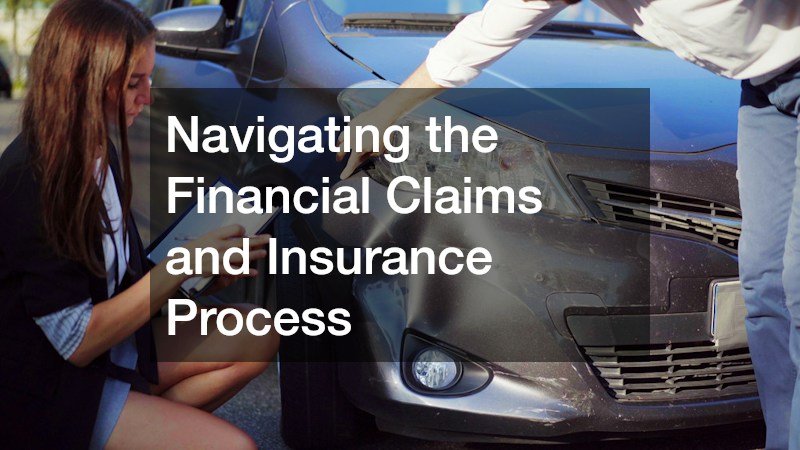
Once emergency responders clear the scene and the vehicle rests safely in storage, the administrative recovery process starts. Communicating with a representative from an auto insurance agency marks the first official step toward securing financial coverage for repairs. Adjusters evaluate the reported details, review police findings, and inspect the vehicle to calculate an estimated cost of restoration. Vehicle owners must present comprehensive evidence, including photos taken at the scene, witness statements, and formal repair estimates from certified technicians. Clear communication with claim representatives helps prevent unnecessary delays in authorization and payout processing.
Understanding the distinction between first-party and third-party claims remains essential for every driver. A first-party claim involves filing directly with one’s own insurer under collision or comprehensive coverage. This path often yields faster initial results, though the policyholder must pay an agreed deductible upfront. A third-party claim targets the insurance carrier of the driver responsible for the crash. While third-party claims avoid deductible payments, processing times can lengthen if liability remains disputed between carriers. Drivers should review policy terms carefully to understand rental car allowances, towing reimbursements, and original equipment manufacturer part specifications.
Filing claims accurately requires thorough organization and persistence. Maintaining a dedicated folder for all incident paperwork keeps estimate copies, repair receipts, and rental agreements easily accessible. Claim adjusters examine damage patterns to verify that reported structural issues align with the accident description. Promptly submitting supplemental repair requests prevents work stoppages when technicians discover hidden damage during teardown. Knowing the exact limits of hit-and-run coverage, uninsured motorist clauses, and comprehensive options helps drivers advocate effectively for fair repair settlements.
Drivers should also understand how claim payouts interact with auto loans or vehicle leases. When an insurer declares a vehicle repairable, payments are issued jointly to the policyholder and the financial lienholder to ensure repairs are completed fully. Working closely with bank representatives prevents check endorsement delays.
Restoring Structural Integrity and Exterior Aesthetics

Physical restoration of a damaged automobile requires technical expertise and specialized machinery. Independent body shops evaluate structural frame alignment using electronic measuring equipment to return the chassis to factory tolerances. Technicians straighten bent metal, replace crumpled panels, and apply multi-stage paint finishes that match original factory colors. Crumple zones designed into modern vehicles absorb impact energy during collisions, meaning structural components must be carefully recalibrated or completely replaced to maintain safety standards. Proper frame restoration guarantees that the vehicle will react correctly in the event of any future crash.
Glass components suffer frequent damage during traffic accidents, ranging from minor chips to extensive shattering. Professional windshield replacement restores clear driver visibility while preserving the structural strength of the vehicle cabin. Modern windshields act as crucial load-bearing elements that support the roof during rollover events and provide backing support for passenger airbag deployments. Vehicles equipped with advanced driver assistance systems require precise recalibration of forward-facing cameras and radar sensors mounted behind the front glass. Skimping on glass quality or installing improper adhesive seals can compromise vehicle safety and automated lane-assist technologies.
Exterior restoration involves meticulous panel fitting and surface prep before paint application. Technicians strip damaged paint, apply rust-inhibiting primers, and spray clear coats inside climate-controlled paint booths. Color matching computers analyze paint age and fading to blend new paint smoothly into adjacent panels. Panel gaps must be measured down to the millimeter to ensure doors, hoods, and trunk lids seal tightly against rain and wind noise. Quality control inspections confirm that headlight assemblies, bumper covers, and trim pieces fit correctly without gaps.
Aluminum panel restoration requires specialized clean room environments to prevent galvanic corrosion when working alongside traditional sheet metal. Advanced spot welders reproduce factory structural bonds, restoring original crash safety performance.
Critical Mechanical Audits and Drivetrain Diagnostics
Impact forces from a collision often travel far beyond visible body panels, creating internal mechanical issues that are not immediately obvious. Front-end collisions can force engine components backward, straining fluid lines, mounts, and gearboxes. Complex transmission repairs become necessary when severe jolts crack casing housings, bend shift linkages, or damage internal valve bodies. Unaddressed mechanical damage can lead to fluid leaks, shifting delays, or complete gearbox failure weeks after an initial crash. Comprehensive diagnostic scans and road tests allow mechanics to verify that power delivery systems operate smoothly before the vehicle returns to active service.
Suspension systems and wheel assemblies absorb immense lateral forces during side impacts or curb strikes. Visiting established tire shops enables technicians to inspect wheels for hairline cracks, measure tread depth, and perform four-wheel alignments. Bumper impacts can throw alignment angles out of specification, leading to rapid tire wear, steering pull, and compromised handling stability. Replacing damaged control arms, tie rods, and strut assemblies ensures predictable vehicle response during emergency braking maneuvers. Steering system checks verify that hydraulic or electronic power-steering racks deliver precise driver feedback without binding.
Engine cooling systems remain vulnerable during collisions due to their location near front bumpers. Radiators, condenser units, and coolant hoses frequently suffer punctures that cause rapid engine overheating. Exhaust pipes and catalytic converters can shift during impacts, causing subtle undercarriage leaks or rattling noises. Electrical harnesses running along engine bays must be inspected for pinched wires that cause intermittent engine misfires. Comprehensive mechanical inspections protect vehicle owners from unexpected breakdowns long after body work finishes.
Post-repair test drives should include highway merging speeds, sudden stopping drills, and tight turning maneuvers to confirm mechanical stability. Monitoring fluid temperature gauges helps identify latent component stress before minor wear escalates into major mechanical failure.
Specialized Care for High-Performance European Vehicles
European sports sedans and luxury automobiles utilize complex mechanical architecture, lightweight aluminum frames, and proprietary software networks. When these specialized vehicles suffer collision damage, standard repair procedures are often insufficient. Booking certified bmw service guarantees that trained technicians handle delicate sensor networks, dynamic stability controls, and turbocharged powertrains according to factory requirements. European manufacturers enforce tight manufacturing tolerances, requiring specialized tools for aluminum welding, rivet bonding, and structural panel replacement. Utilizing factory-approved components maintains original handling characteristics and protects long-term vehicle resale value.
Electronic modules inside luxury vehicles communicate through high-speed bus systems that record fault codes during impacts. Sophisticated diagnostic equipment reads internal fault logs across comfort systems, active safety modules, and engine management units. Resetting crash sensors, recalibrating active steering, and flashing engine control software require manufacturer-level software programs. Generic scan tools often fail to clear deep-seated fault codes, leaving hidden error flags that disable safety features like active cruise control or blind-spot monitoring. Specialized technicians ensure all electronic control units operate in harmony before approving final vehicle release.
Precision alignment tools designed specifically for European suspension geometries ensure proper tracking and stability. Variable-ratio steering racks and adaptive dampers require exact calibration to restore original steering feel. Brake system servicing involves checking electronic parking brake actuators, brake line pressures, and anti-lock braking sensors damaged by impact debris. Specialists also check secondary systems like active engine mounts and variable valve timing units that react negatively to sharp physical impacts. Maintaining detailed maintenance records from certified facilities protects factory warranties and validates pre-accident market valuations.
Precision computerized diagnostic equipment verifies that specialized driver assistance systems, such as night vision cameras and radar cruise modules, remain aligned with millimeter precision.
Interior Upgrades, System Electronics, and Cabin Refinement
Impacts and glass breakage often disrupt cabin components, damaging seat upholstery, trim panels, and electronic entertainment units. Seeking professional window tinting service allows vehicle owners to replace scratched or shattered window film with high-performance ceramic coatings. Modern window films block ultraviolet rays, reduce solar heat gain, and hold glass fragments together during minor impacts. Applying uniform tinting across newly installed door glass restores original privacy levels and protects interior leather surfaces from sun fading over time.
Cabin electronic systems also require careful attention following airbag deployments or dash disassembly. Qualified car stereo installation specialists repair damaged wiring harnesses, replace blown speaker units, and integrate modern infotainment screens into restored dashboards. Vibrations from physical impacts can disconnect internal audio connectors or crack digital touchscreen displays. Technicians test Bluetooth connectivity, backup camera feeds, steering wheel control mapping, and satellite radio receivers to confirm complete cabin entertainment functionality. Replacing damaged audio equipment returns interior comfort to pre-accident standards while adding modern connectivity features.
HVAC systems inside the cabin can trap dust, glass powder, and debris during repair work. Replacing cabin air filters and flushing air duct passages eliminates unpleasant odors and ensures clean airflow for passengers. Seat belt pretensioners, which tighten automatically during collisions, must be replaced alongside deployed airbag modules. Dashboard trim panels must be snapped into place securely to prevent annoying squeaks or rattles while driving over rough pavement. Restoring interior elements guarantees that the driving experience feels brand new.
Sound dampening mats applied during dashboard reassembly significantly lower ambient road noise and eliminate chassis rattles. Installing upgraded wiring harnesses with inline fusing protects sensitive audio equipment from sudden voltage spikes.
Final Safety Inspections and Long-Term Value Protection
Completing physical repairs represents only part of a successful vehicle restoration plan. Before accepting key return, vehicle owners should conduct a thorough final inspection alongside shop management. Testing every door latch, power window switch, trunk release, and exterior light ensures all electrical systems operate properly. A joint road test allows drivers to listen for unusual cabin noises, verify straight-line tracking, and confirm smooth braking action under real driving conditions. Catching minor fitment issues or trim alignment errors before departing prevents frustrating follow-up visits.
Documenting every phase of the repair process creates an invaluable record for future vehicle valuation. Detailed invoices listing original manufacturer part numbers, paint codes, alignment specifications, and diagnostic report logs demonstrate proper care to future buyers. Keeping comprehensive paper records proves that structural damage was corrected according to safety standards rather than cheap quick fixes. This paperwork assists vehicle owners when filing diminished value claims against responsible insurance parties to recover lost market equity.
Vehicle ownership involves ongoing vigilance, especially after recovering from a major accident event. Establishing a relationship with trustworthy mechanics and legal advisers provides peace of mind throughout the lifetime of the vehicle. Periodically inspecting tire tread wear patterns, fluid levels, and paint finishes over the months following repair helps spot subtle issues early. By following a structured approach to recovery, legal representation, and mechanical repair, motorists protect both their financial investment and personal safety for many years ahead.
Establishing a continuous maintenance schedule following accident repairs ensures long-term vehicle dependability. Regular multi-point inspections help monitor newly installed mechanical components over extended driving periods. Keeping organized service binders enhances resale value, providing buyers with transparent proof of quality repairs.