

Maintaining a vehicle is one of the most important responsibilities of ownership, ensuring safety, reliability, and longevity on the open road. Every car, truck, and SUV is a complex machine made up of thousands of interconnected moving parts, all of which experience wear and tear over time. Neglecting routine maintenance can lead to compounding mechanical failures, leaving drivers stranded or facing exorbitant bills. Understanding the fundamental systems of a vehicle empowers owners to make informed decisions and communicate effectively with mechanics when issues arise. Being proactive rather than reactive not only preserves the value of the investment but also guarantees that the vehicle operates at peak efficiency during daily commutes or long cross-country journeys. An educated driver knows that ignoring unusual sounds or dashboard warning lights is a recipe for disaster. By familiarizing oneself with the essential upkeep required to keep a vehicle in pristine condition, one can anticipate problems before they escalate into dangerous situations. Regular inspections and a solid grasp of how a car functions form the foundation of responsible driving, keeping everyone safer on the highways.
Brake Pad Replacement
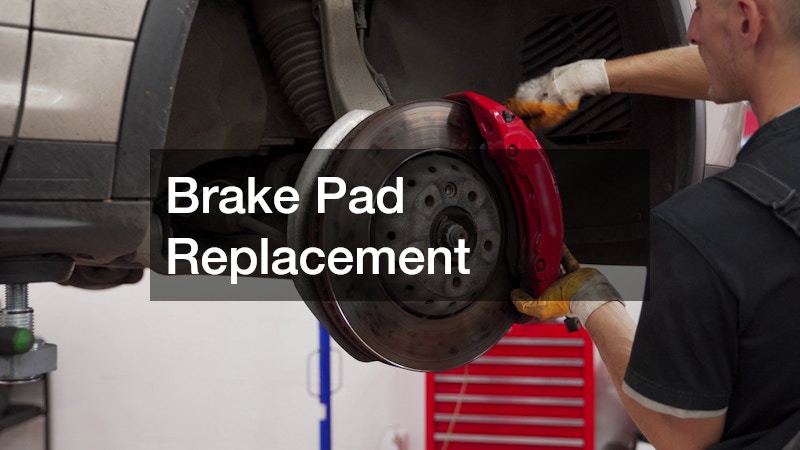
When the time comes to restore stopping power, relying on comprehensive brake repair is the best way to ensure every part of the system is functioning correctly. Technicians will inspect not only the worn pads but also the condition of the rotors, calipers, and hydraulic lines to guarantee optimal performance. Replacing the friction material restores the crisp, responsive pedal feel that drivers expect, allowing for safe navigation through unpredictable traffic patterns and sudden stops. Furthermore, keeping up with this crucial aspect of vehicle maintenance prevents heat from warping the metal discs, saving car owners a significant amount of money in the long run. Regular attention to these vital components is non-negotiable for anyone who values a secure and reliable driving experience.
Transmission Fluid Change
Flushing out the old, contaminated liquid and replacing it with a fresh supply is a vital preventive measure that extends the lifespan of the entire drivetrain. Clean lubrication ensures that the gears engage seamlessly, providing the driver with a smooth and uninterrupted flow of power during every commute. While routine fluid updates are relatively inexpensive and quick, neglecting this maintenance can lead to catastrophic internal failure that necessitates a complete transmission rebuild to get the vehicle back on the road. By adhering to the manufacturer’s recommended service intervals, owners can avoid the staggering costs and extended downtime associated with replacing major mechanical assemblies. Ultimately, keeping the internal environment of the gearbox clean and cool is the most effective strategy for preserving the vehicle’s performance and long-term reliability.
Tire Alignment and Rotation
The connection between a vehicle and the road surface relies entirely on a few square inches of rubber at each corner of the chassis. Ensuring these contact patches wear evenly is a fundamental aspect of maximizing both safety and fuel economy during everyday travel. When suspension components fall out of their factory specifications due to potholes, curbs, or general wear, the wheels can begin to point in slightly different directions. This misalignment forces the rubber to drag along the pavement rather than rolling smoothly, accelerating tread wear and compromising the driver’s ability to steer precisely. By periodically adjusting the suspension angles and shifting the wheels to different positions on the axles, owners can guarantee that the tread depletes at a uniform rate across the entire set. Regular attention to these rubber components prevents premature failure and ensures the vehicle handles predictably in adverse weather conditions.
Maintaining proper suspension geometry and tread depth is especially critical for heavy-duty vehicles that haul massive loads across vast distances. Whether managing a family SUV or an entire fleet of delivery trucks, addressing uneven tread wear promptly is always a wise financial decision. Sometimes, a simple rotation is not enough, and a deeper assessment is required to fix structural damage caused by road debris or extreme stress. In the demanding world of logistics, having access to reliable commercial tire repair can mean the difference between making a deadline and being stranded on the shoulder of the highway. For everyday drivers, the principles remain the same: keeping the wheels aligned and the rubber healthy provides peace of mind and drastically extends the usable life of these vital, expensive components.
Engine Oil Change
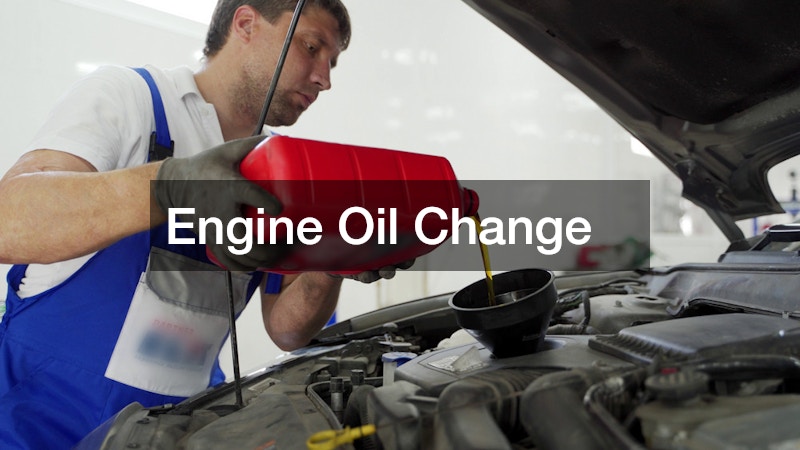
Refreshing the motor’s lubrication is widely considered the most critical preventative maintenance task a vehicle owner can perform. It is a straightforward procedure that breathes new life into the powertrain, ensuring that the pistons and valves glide seamlessly without excess resistance. While many individuals attempt to handle this maintenance in their own driveways, entrusting the job to professionals ensures that all fluids are disposed of in an environmentally responsible manner and that the correct viscosity is utilized. When searching for dependable auto repair, starting with this fundamental service is an excellent way to gauge the expertise and honesty of a mechanic before committing to larger projects. Consistently providing the engine with fresh lubrication drastically reduces the likelihood of internal breakdowns, ultimately saving the owner from staggering replacement costs down the line.
Car Battery Replacement
Ignoring these electrical red flags almost always guarantees an inconvenient breakdown, typically leaving the driver stranded in a parking lot or driveway with a vehicle that refuses to start. Replacing the dying unit before it completely fails is a proactive approach that saves a tremendous amount of frustration and eliminates the need for expensive towing services. The process involves safely disconnecting the corrosive terminals, removing the heavy casing, and securing a fresh power source that meets the exact cold-cranking amp specifications of the vehicle. For those who are uncomfortable handling highly acidic and potentially dangerous components, visiting a trusted auto repair shop is the safest and most efficient way to handle the swap. A professional installation ensures that the electrical connections are clean, tight, and protected against future corrosion, restoring absolute reliability to the vehicle’s electrical grid.
Exhaust System Repair
The network of pipes running underneath a vehicle is responsible for safely routing toxic combustion gases away from the passenger cabin and out into the atmosphere. This system also features specialized components like the catalytic converter, which scrubs harmful pollutants from the emissions, and the muffler, which significantly dampens the deafening noise of the engine. Because these metal pipes are constantly exposed to extreme heat, moisture, and road salt, they are highly susceptible to severe rust and corrosion over time. When a leak develops, drivers will often hear a loud, sputtering noise during acceleration and may even smell dangerous exhaust fumes seeping into the interior, signaling an immediate need for attention.
Fixing these deteriorated pipes typically involves cutting away the rusted sections and welding fresh metal into place to restore an airtight seal. In many cases, exhaust damage is not just caused by time and weather, but by rear-end collisions that crush the tailpipes and mufflers against the chassis. When dealing with such accident recovery, mechanics must seamlessly integrate exhaust pipe replacement with standard auto body repair to ensure the vehicle is structurally and functionally sound again. Keeping the emissions system sealed and intact ensures the car runs quietly, passes state inspections, and maintains a safe breathing environment for everyone inside.
Coolant System Flush
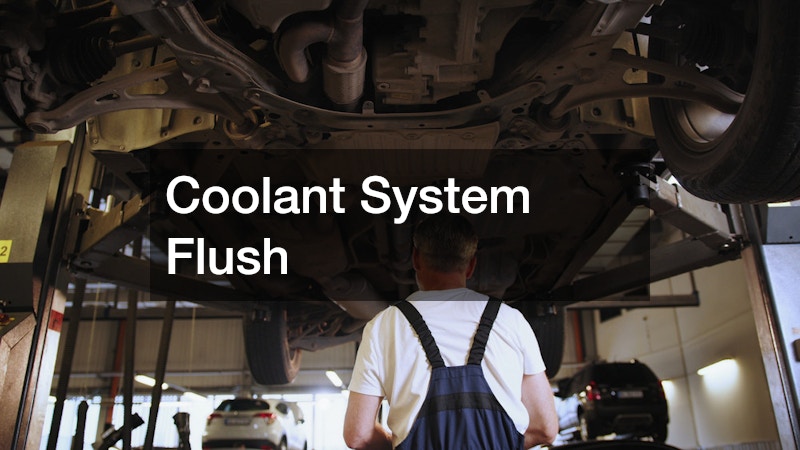
Internal combustion generates a massive amount of heat, which must be constantly regulated to prevent the engine block from warping or melting down completely. The cooling system achieves this by pumping a specialized mixture of water and antifreeze through passages in the engine, absorbing the extreme temperatures before flowing to the radiator to cool down. Over thousands of miles, this protective liquid naturally degrades, losing its anti-corrosive properties and allowing harmful rust and scale to build up inside the delicate cooling channels. If the fluid is ignored, the radiator can become clogged and the water pump can fail, inevitably leading to a dangerous overheating scenario on the side of the highway.
Performing a complete flush removes all the old, contaminated fluid and clears out any sludgy deposits that threaten to block the flow of coolant. Refilling the reservoir with fresh antifreeze restores the chemical balance required to prevent the water from boiling in the summer or freezing solid in the winter. While a vehicle is sitting in the service bay for this temperature-regulating maintenance, it is often a convenient time to schedule other exterior touch-ups, such as utilizing local auto glass services to fix minor windshield chips. Ultimately, proactively managing the health of the cooling system is one of the most effective ways to avoid sudden, catastrophic engine failure.
Timing Belt Replacement
Deep inside many engines, a heavy-duty rubber strap works tirelessly to synchronize the precise rotation of the crankshaft and the camshafts. This synchronization is absolutely vital, as it ensures the engine valves open and close at the exact correct millisecond to match the movement of the pistons. Because this strap is made of reinforced rubber, constant exposure to high heat and mechanical tension eventually causes the material to dry out, crack, and lose its structural integrity. If this critical component snaps while the vehicle is driving, the pistons will aggressively collide with the valves, instantly destroying the internal workings of the motor.
Swapping out this worn rubber strap before it reaches its breaking point is a mandatory preventative measure that no owner can afford to skip. The procedure is famously labor-intensive, requiring a technician to dismantle the front of the engine to access the intricate system of tensioners and pulleys. Neglecting this maintenance can result in an unexpected highway stall and subsequent collision, turning a mechanical failure into a disaster that requires a new engine and complete auto glass replacement. Adhering strictly to the mileage intervals recommended by the manufacturer guarantees that the heart of the vehicle keeps beating without terrifying interruptions.
Cabin Air Filter Replacement
The air quality inside a passenger compartment is heavily dependent on a small, pleated paper component hidden behind the dashboard. This barrier actively catches dust, pollen, and dangerous exhaust pollutants before they can be blown into the faces of the driver and passengers. Over several seasons of heavy climate control usage, the microscopic pores within the paper become completely clogged with dirt, leaves, and debris, significantly restricting airflow. When this happens, the interior may begin to smell musty, and the defrosting system will struggle to quickly clear condensation from the windshield during rainstorms.
Swapping out this dirty barrier for a clean one is a remarkably simple procedure that yields immediate improvements in interior comfort and respiratory health. It allows the blower motor to push air freely without overworking, which in turn extends the life of the entire heating and air conditioning system. While many drivers spend significant time and money upgrading their vehicles with heavy-duty truck accessories, they often overlook this inexpensive and vital maintenance item. Prioritizing a clean cabin environment ensures that every commute remains a comfortable, odor-free experience regardless of the pollution levels outside.
Spark Plug Replacement
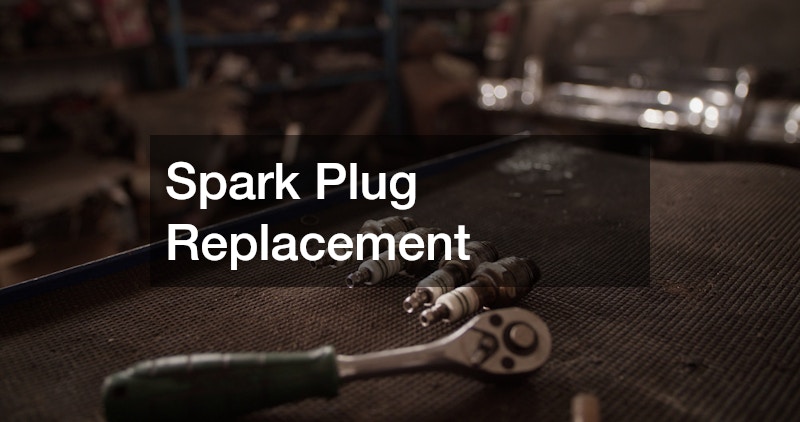
The internal combustion process relies on a tiny, precisely timed bolt of electricity to ignite the compressed mixture of air and fuel inside the engine cylinders. The small metal devices responsible for delivering this crucial spark endure blistering heat and immense physical pressure millions of times during a single road trip. As the miles add up, the metal electrodes at the tip of these components slowly burn away and become coated in hard carbon deposits, widening the gap that the electricity must jump across. This physical degradation leads to a weak or inconsistent ignition sequence, which typically manifests as a rough engine idle, sluggish acceleration, and a highly noticeable drop in fuel economy.
Installing a fresh set of these electrical igniters restores the intense spark necessary for complete and efficient fuel combustion, instantly reviving the vehicle’s lost horsepower. This relatively simple tune-up smooths out rough vibrations and ensures the motor cranks over reliably even on the coldest winter mornings. Much like how investing in professional sunroof installation and repair can dramatically enhance a driver’s enjoyment of the open road, upgrading worn ignition components fundamentally transforms how the car accelerates and performs. Keeping the combustion cycle firing flawlessly protects the entire exhaust system from unburned fuel and keeps the vehicle running smoothly for years to come.
Routine maintenance should never be viewed as a frustrating expense; rather, it is a calculated investment in peace of mind and long-term vehicular health. Taking a vehicle into the service bay for preventative care eliminates the massive stress of unexpected highway breakdowns and expensive emergency towing fees. Ultimately, a well-maintained machine repays its owner with years of steadfast, predictable service, providing the absolute freedom to travel without the looming anxiety of sudden mechanical distress. Staying ahead of the maintenance curve is the definitive hallmark of a responsible driver, ensuring that the roads remain safer for everyone who travels them.