

Owning a vehicle comes with responsibilities that extend beyond fueling up and getting from one destination to another. Drivers need to understand routine maintenance, recognize potential mechanical problems, and make informed decisions when their vehicles require attention. Safety also involves knowing how to respond to unexpected situations, including breakdowns, damaged components, and traffic accidents. Taking a proactive approach can help prevent minor concerns from developing into more expensive problems while keeping your vehicle dependable.
It’s equally important to understand how modifications, replacement components, and professional services can affect your vehicle’s performance. Beyond mechanical considerations, responsible ownership includes understanding insurance requirements, traffic laws, and the consequences of unsafe driving decisions. Whether you recently purchased your first vehicle or have been driving for years, developing good ownership habits can help protect your investment and promote safer experiences on the road.
Build a Maintenance Routine That Prevents Bigger Problems
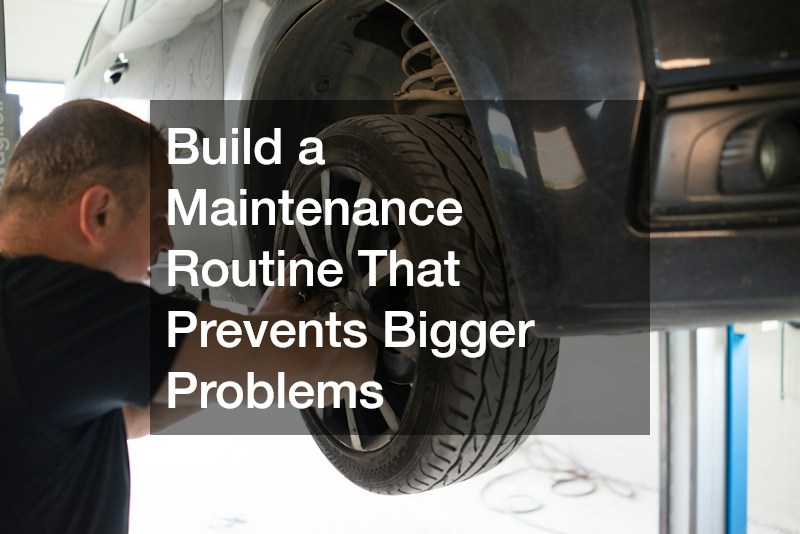
Regular maintenance helps keep your vehicle operating properly and gives technicians opportunities to identify developing problems. Start by reviewing the owner’s manual for recommended service intervals, fluid requirements, and inspection procedures.
Pay attention to changes in performance rather than waiting for a dashboard warning light. Unusual noises, vibrations, fluid leaks, and difficulty starting can indicate problems that deserve attention. Scheduling car repairs promptly may prevent additional damage and reduce the likelihood of unexpected breakdowns.
Create a maintenance checklist that includes:
- Checking tire pressure and tread condition.
- Monitoring engine oil and other essential fluids.
- Inspecting exterior lights and windshield wipers.
- Scheduling recommended oil changes and tire rotations.
- Keeping track of battery condition and service history.
Maintain a record of completed maintenance, including receipts and technician recommendations. These records make it easier to identify recurring concerns and explain previous work when visiting a repair facility.
Choose Replacement Components Carefully
When a vehicle needs a replacement component, selecting the right part is important for maintaining its performance and reliability. Different manufacturers offer products with varying materials, specifications, and price points.
Before purchasing auto parts, verify that the components match your vehicle’s make, model, year, and configuration. A part that looks similar to the original may not fit properly or perform as intended. Ask your mechanic whether an original equipment manufacturer (OEM), aftermarket, or used component is appropriate for the specific repair.
Consider these factors when comparing replacement options:
- Compatibility with your vehicle’s specifications.
- Manufacturer reputation and product documentation.
- Material quality and expected durability.
- Warranty coverage and return policies.
- Availability of installation instructions or support.
Safety-related components deserve particular attention because their performance can affect how your vehicle operates. Avoid choosing replacement products based solely on price. Ask technicians to explain the differences between available options so you can make an informed decision.
Recognize Warning Signs That Your Braking System Needs Attention
Your braking system is essential for controlling your vehicle and responding to changing traffic conditions. Because its components experience regular wear, drivers should pay attention to changes in braking performance.
Common symptoms include squealing or grinding noises, vibrations when slowing down, a soft brake pedal, or longer stopping distances. A brake warning light may also indicate that the system needs inspection. Schedule brake repairs promptly when these symptoms appear rather than continuing to drive without understanding the cause.
During an inspection, ask the technician to evaluate:
- Brake pads for excessive wear.
- Rotors for damage or uneven surfaces.
- Calipers and other operating components.
- Brake lines for leaks or deterioration.
- Brake fluid condition and levels.
Understanding the inspection results can help you determine which repairs are necessary. Request an explanation of any recommended work and ask whether additional components may be affected. If your brakes feel significantly impaired, avoid driving the vehicle until a qualified professional has evaluated it.
Evaluate Modifications Before Changing Your Vehicle’s Design
Vehicle modifications can change appearance, ground clearance, handling, and overall driving characteristics. Before making changes, consider how they will affect your everyday driving needs. A modification that works well for one vehicle or driving environment may not be appropriate for another.
For example, installing a lift kit can increase ground clearance and provide space for larger tires. However, changing ride height can also affect suspension geometry, steering, alignment, and vehicle stability. Consult an experienced installer who understands your vehicle’s specifications and the potential effects of the modification.
Before proceeding, consider:
- Whether the modification is compatible with your vehicle.
- How larger tires may affect handling and braking.
- Whether suspension components require additional adjustments.
- Applicable vehicle height and equipment regulations.
- Potential effects on insurance coverage or warranties.
Ask about the complete installation process rather than focusing only on the appearance of the finished vehicle. Professional inspections and alignment checks may be necessary after modifications.
Know How to Respond When Your Vehicle Sustains Damage
Vehicle damage can range from minor dents and scratches to more serious problems affecting structural components. After discovering damage, assess the situation carefully and determine whether the vehicle is safe to operate. If an accident has occurred, prioritize personal safety and follow appropriate emergency procedures before arranging repairs.
An auto body shop can evaluate exterior damage involving panels, bumpers, paint, and other body components. When comparing facilities, consider their experience, equipment, communication practices, and ability to work with your vehicle’s manufacturer.
Before authorizing work:
- Photograph the damage from several angles.
- Request a written estimate.
- Ask whether hidden damage may require additional inspection.
- Review replacement materials and proposed labor.
- Clarify payment arrangements and repair timelines.
Do not assume that visible damage represents the full extent of the problem. Impacts can affect components that are difficult to inspect without specialized equipment. Ask the repair facility to explain its findings and contact you before completing work beyond the original estimate. Keeping repair documentation can also help with insurance claims and future maintenance decisions.
Understand the Steps Involved in Restoring Accident Damage
Restoring a vehicle after an accident may involve several stages of inspection and repair. Depending on the severity of the impact, technicians may need to address structural components, mechanical systems, electrical equipment, and exterior finishes. Understanding the process can help you evaluate repair recommendations and communicate effectively with the facility.
Collision repair should begin with a thorough damage assessment. Technicians may identify problems that were not immediately visible when the vehicle was first examined. Modern vehicles can also contain sensors, cameras, and driver-assistance systems that require additional attention after certain repairs.
Ask the repair facility about:
- Its experience with your vehicle’s make and model.
- The inspection and repair procedures it follows.
- Whether replacement components meet manufacturer specifications.
- Whether safety systems require calibration.
- How the completed work will be documented.
Request updates if the repair process changes because of newly discovered damage or unavailable components. Before accepting the vehicle, review the completed work and ask about any remaining concerns. Understanding what was repaired and which inspections were performed gives you a clearer picture of your vehicle’s condition.
Address Windshield Damage Before It Affects Visibility

Your windshield contributes to visibility and plays a role in the vehicle’s overall safety structure. Even a small chip can become a larger crack because of temperature changes, road vibrations, or additional impacts. Drivers should have windshield damage evaluated promptly rather than assuming it will remain unchanged.
Depending on the location, size, and severity of the damage, a new windshield may be necessary instead of a repair. A qualified technician can determine which option is appropriate and explain the installation requirements.
When arranging replacement, ask about:
- Glass compatibility with your vehicle’s specifications.
- Proper adhesive and installation procedures.
- Recommended curing time before driving.
- Whether cameras or sensors require recalibration.
- Warranty coverage for the replacement.
Avoid selecting replacement glass based only on price. The quality of the materials and installation can affect visibility, sealing, and the performance of connected safety equipment. Follow the technician’s instructions after installation, particularly regarding driving restrictions and vehicle cleaning. Addressing damage early can help prevent visibility problems from interfering with your ability to respond to road conditions.
Know Which Services Can Address Different Glass Problems
Windshields are not the only glass components that can become damaged. Side windows, rear windows, and other vehicle glass may crack, shatter, or develop problems with their surrounding mechanisms. Broken windows can also expose the vehicle’s interior to weather and create security concerns.
Professional auto glass services can help determine whether damaged glass can be repaired or needs replacement. The appropriate solution depends on the type of glass, the extent of the damage, and its location. Technicians may also need to inspect connected components, such as window regulators, defroster connections, and seals.
When arranging service, consider:
- Whether mobile appointments are available.
- How replacement materials match vehicle specifications.
- Whether damaged seals or mechanisms need attention.
- How the installation will prevent leaks and wind noise.
- What warranty or documentation the provider offers.
If a window is shattered, avoid handling broken pieces unnecessarily. Protect the exposed interior as safely as possible while arranging professional assistance. Keep service records and invoices, especially when the work involves an insurance claim. Addressing glass problems promptly can help restore visibility, security, and everyday vehicle functionality.
Document Accidents and Understand Your Legal Options
Being involved in a traffic accident can create confusion, particularly when multiple vehicles, injuries, or disputed circumstances are involved. Knowing what to do can help protect your safety and preserve important information. Begin by checking for injuries and contacting emergency services when necessary. Move to a safe location if possible without creating additional hazards.
Once immediate safety concerns are addressed, gather relevant information. Accident lawyers may help individuals understand their legal options when an accident involves injuries, significant property damage, or disagreements about responsibility.
After an accident, consider these steps:
- Exchange contact and insurance information with other drivers.
- Photograph vehicle damage and relevant details of the scene.
- Collect witness contact information when available.
- Obtain a copy of any applicable police report.
- Keep medical records, repair estimates, and insurance correspondence.
Avoid assuming that fault or compensation is straightforward. Insurance claims and legal responsibilities depend on the circumstances and applicable laws. Before accepting a settlement or signing documents you do not understand, consider obtaining qualified legal guidance. Organized documentation can make it easier to explain what happened and evaluate available options.
Understand the Consequences of Impaired Driving
Responsible vehicle ownership also means understanding how personal decisions affect road safety. Driving under the influence of alcohol or impairing substances can place the driver, passengers, pedestrians, and other motorists at risk. Planning transportation before consuming alcohol is a practical way to avoid making unsafe decisions later.
If someone faces an impaired-driving charge, a DUI attorney can explain the legal process, potential consequences, and available options. Laws and penalties vary by jurisdiction, so individuals should avoid relying on assumptions or advice that may not apply to their circumstances.
Drivers should understand several important considerations:
- Criminal charges may involve fines and other legal penalties.
- License restrictions or suspension may affect transportation.
- Court requirements can include specific deadlines and obligations.
- Insurance costs and coverage may be affected.
- Legal proceedings can have consequences beyond the immediate charge.
The simplest way to avoid these situations is to arrange a designated driver, use a taxi or rideshare service, or take public transportation. Never assume that feeling capable of driving means you are safe to operate a vehicle. Making transportation arrangements in advance protects everyone sharing the road.
Safe vehicle ownership requires consistent attention, informed decisions, and a willingness to address problems before they become more serious. Routine maintenance, appropriate replacement components, and timely professional inspections can help keep your vehicle dependable. Understanding modifications and recognizing warning signs also allow you to make better decisions about its condition and performance. When unexpected damage or an accident occurs, knowing how to document the situation and arrange appropriate assistance can make the process easier to navigate.
Drivers should also remain aware of their legal responsibilities and the consequences of unsafe decisions behind the wheel. You do not need to become an automotive expert to be a responsible vehicle owner. However, understanding basic maintenance needs, asking informed questions, and working with qualified professionals can make a meaningful difference. By developing good habits and prioritizing safety, you can protect your investment and contribute to safer roads for everyone.